
Yamaha reports ‘demand lag’ for powersports and marine segments in Q2
Yamaha Motor Co., Ltd. reported softer sales and profits in Q2 2025 as global demand cooled across key powersports categories and cost pressures continued to mount. The company has lowered its full-year outlook but says it remains focused on long-term growth and profitability improvements.
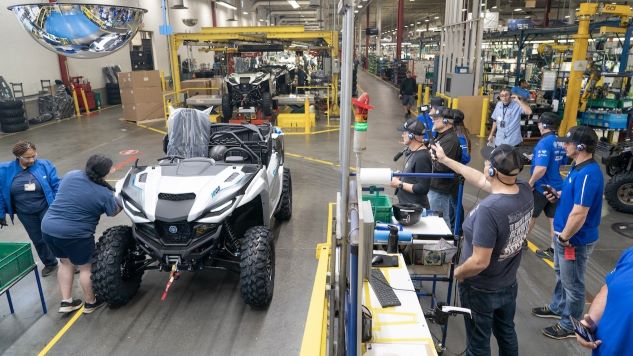
For the first half of the fiscal year ending June 30, Yamaha posted consolidated revenue of ¥1,277.8 billion (approx. $8.63 billion USD), down 5.2% from the previous year. Operating income dropped 45.4% to ¥84.1 billion (~$568 million USD), and net income fell 52.9% to ¥53.1 billion (~$359 million USD).
“We saw declines in unit sales for motorcycles, PWCs, and golf cars, alongside rising costs,” says President and CEO Motofumi Shitara. “That said, we also gained market share in several core areas, which is promising for our longer-term goals.”
POWERSPORTS SNAPSHOT
Motorcycles and e-bikes
Yamaha’s Land Mobility segment, which includes motorcycles, scooters, and e-bikes, generated ¥808.2 billion (~$5.46 billion USD) in revenue — down 4.2% year-over-year. Operating income declined 39% to ¥59.4 billion (~$401 million USD).
Unit sales in Europe and the U.S. slowed, and emerging markets such as India and Brazil also experienced declines. Production in Vietnam was temporarily suspended in Q1, which further impacted global output. Yamaha reports that its Vietnamese operations are now back online, with conditions expected to return to normal throughout the rest of the year.
Despite the challenges, e-bike unit sales were up. However, changes in the product mix resulted in overall revenue remaining flat.
Outdoor vehicles (ATVs, ROVs, Golf Cars)
Revenue for Yamaha’s Outdoor Land Vehicle segment fell 18% to ¥77.7 billion (~$525 million USD). The segment recorded an operating loss of ¥13.7 billion (~$93 million USD), deepening from last year’s slight loss.




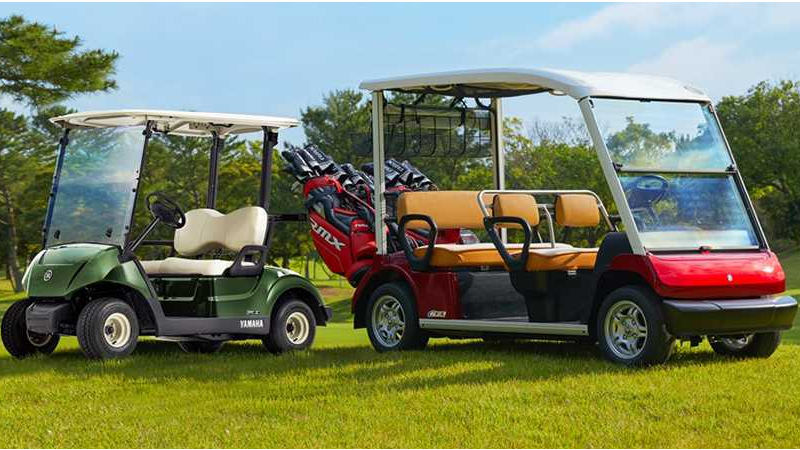
While ATV sales remained strong, demand for side-by-side ROVs declined. Golf car sales were also lower, particularly in the U.S., where the company attributed the decline to weaker demand and rising SG&A costs.
Marine sales dip on PWC weakness
Yamaha’s Marine Products segment reported a 5.9% revenue drop to ¥280.0 billion (~$1.89 billion USD). Operating income fell 26.5% to ¥38.9 billion (~$263 million USD).
Outboard motor sales in the U.S. were relatively stable thanks to pre-price-increase buying. However, demand for personal watercraft (PWC) dropped sharply, contributing to the segment’s year-over-year decline.
“PWC demand in the U.S. came in lower than expected,” Yamaha noted. Adding that higher procurement costs and ongoing investments in product development also put pressure on marine margins.
Forecast revised
Yamaha has lowered its full-year outlook, citing weaker demand in core powersports and marine markets, as well as additional U.S. tariffs and higher vehicle taxes in Indonesia. Inflation in labor and development costs is expected to persist.
“We’re acting quickly to strengthen our cost controls and improve our profit structure,” Shitara says. “Our goal is to build a more resilient company and maximize corporate value over the long term.”
Key takeaways
- Motorcycle supply is expected to improve in H2 as Vietnam’s production resumes. However, global demand remains mixed.
- Watch PWC inventory: U.S. demand has cooled. Expect slower sell-through unless supported by promotions.
- ROVs down, ATVs steady: Dealers may want to shift focus toward ATVs to offset side-by-side softness.
- Golf cars soft in the U.S.: Demand is down — plan inventory and pricing strategies accordingly.
- Cost pressures persist: R&D and labor costs are eroding Yamaha’s margins, which may impact future pricing or incentives.
- Long-term growth mindset: Yamaha remains committed to innovation and market share gains, which bodes well for dealers staying the course.
First-Half FY2025
| Segment | Revenue | YoY Change | Operating Income/Loss |
|---|---|---|---|
| Motorcycles & eBikes | ~$5.46B | –4.2% | ~$401M |
| Marine Products | ~$1.89B | –5.9% | ~$263M |
| Outdoor Vehicles & Golf | ~$525M | –18.0% | –$93M (loss) |
| Total Revenue | ~$8.63B | –5.2% | ~$568M |
| Net Income | ~$359M | –52.9% |
For Yamaha dealers, Q2 highlights both short-term caution and long-term opportunity. While market conditions remain volatile, the company’s steady product investments and share gains suggest reasons to remain positive heading into 2026.