
Mike Kennedy’s next chapter: Leading Indian Motorcycle into its post-Polaris era
This article originally appeared in the April edition of Powersports Business.
For Mike Kennedy, the call came at just the right moment — and after decades of preparation.
“I feel like I’ve been working 35 years for that phone call,” he says.
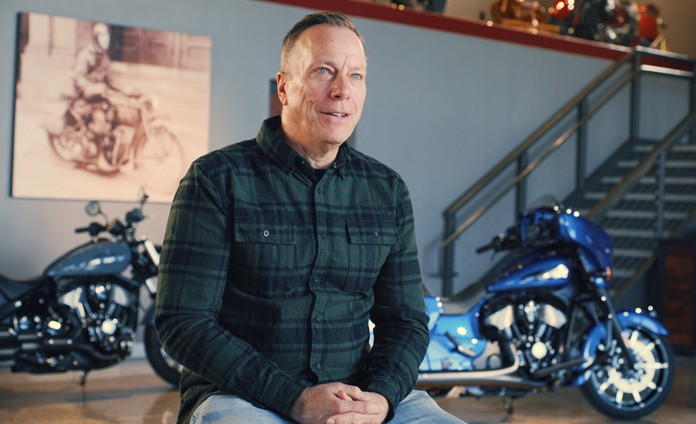
That call ultimately placed Kennedy at the helm of Indian Motorcycle, just as the iconic brand entered one of the most transformative periods in its modern history. Following its separation from Polaris Inc. and acquisition by Carolwood LP, Indian is now operating as a standalone company — leaner, more focused and, in Kennedy’s view, primed for growth.
“It feels like a startup,” he adds. “But you don’t often get to build a startup around a brand that’s been around for 125 years.”
Built for the moment
Kennedy brings a rare, full-spectrum perspective to the role. His resume spans the OEM, retail and aftermarket sides of the business, including leadership roles at Harley-Davidson, RumbleOn and Vance & Hines.
That breadth, he said, gives him a practical understanding of how each piece of the industry fits together—and where friction points often emerge.

“I’ve seen this business from every angle,” Kennedy explains. “As an OEM, as a dealer and in the aftermarket. That helps you understand what really matters to riders and to the people selling and supporting the product every day.”
It also shapes his leadership philosophy: simplify where possible, focus where it counts and build trust across the ecosystem.
A dedicated motorcycle company
Under Polaris, Indian Motorcycle was part of a much larger enterprise — one with roughly $12 billion in revenue and tens of thousands of employees. Within that structure, motorcycles represented only a small portion of the overall business.
Now, as a standalone company with approximately 900 employees and about $500 million in revenue, Indian’s priorities have sharpened considerably.
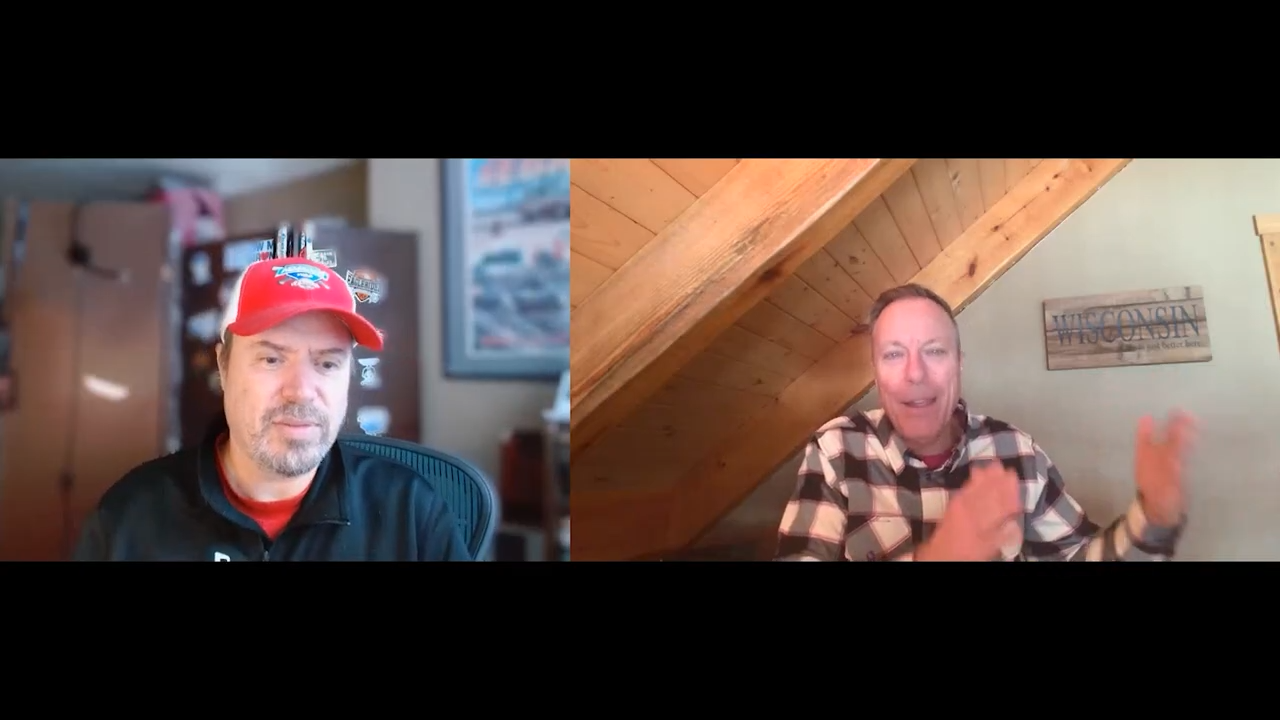
“When you’re part of a large organization, decisions get made a certain way,” Kennedy says. “Now, we wake up every day focused solely on motorcycles. That changes everything.”
The shift is more than symbolic. Kennedy believes independence allows Indian to move faster, make clearer product decisions and better align its resources with its core mission.
“There’s no dilution of focus,” he said. “Every decision we make is about building better motorcycles and supporting the people who sell and ride them.”
A simpler, more focused product strategy
One of Kennedy’s early priorities is streamlining Indian’s product lineup — a move he believes will benefit both dealers and customers.
“The product line has gotten too complex,” he shares. “It makes it harder for riders to shop and harder for dealers to manage inventory.”
The solution: fewer SKUs, clearer positioning and a renewed emphasis on the segments where Indian is strongest. Those include cruisers, baggers and touring motorcycles, with plans to expand into trikes.
“We’re not going to try to be everything to everybody. We’re going to focus on the categories where we know we can win.”
That focus also reflects broader market realities. While entry-level motorcycles continue to generate industry buzz, Kennedy sees significant opportunity in Indian’s current lineup — particularly models like the Scout, which already serve as an accessible entry point for many riders.
“At under $10,000, the Scout is already a strong value,” he says. “And the pre-owned market is another important gateway into the brand.”
Honoring heritage
Indian’s 125th anniversary in 2026 provides a natural backdrop for its next chapter. Few brands in powersports can match its historical significance, and Kennedy is keenly aware of the responsibility that comes with that legacy.
“I’m incredibly humbled to be leading America’s first motorcycle company,” he emphasizes. “Our job is to make sure it’s around for another 125 years.”
That long-term mindset is reflected in the company’s product direction. Recent models, including the Chief lineup, blend vintage-inspired design with modern engineering — an approach Kennedy believes resonates strongly with today’s riders.
“People love the heritage,” he says. “They love the look and the feel. But they also want modern reliability and technology. You have to deliver both.”
Dealers as the foundation
If there’s one area where Kennedy is especially emphatic, it’s the role of Indian’s dealer network.
“Our scorecard will be the health of our dealers,” he says. “If they’re not successful, we’re not successful. It’s that simple.”
Indian currently works with approximately 600 dealers globally, the majority of whom operate multi-line showrooms. Kennedy is comfortable with that model and sees it as a practical reality of today’s retail environment.
“Dealers need to run profitable businesses. If that means carrying multiple brands, we’re fine with that. We just want to earn their commitment.”
To do that, Kennedy is prioritizing transparency and communication — what he describes as “trust through transparency.”
“We’re not always going to agree with our dealers,” he notes. “But we owe them a clear explanation of why decisions are made. That’s how you build long-term relationships.”
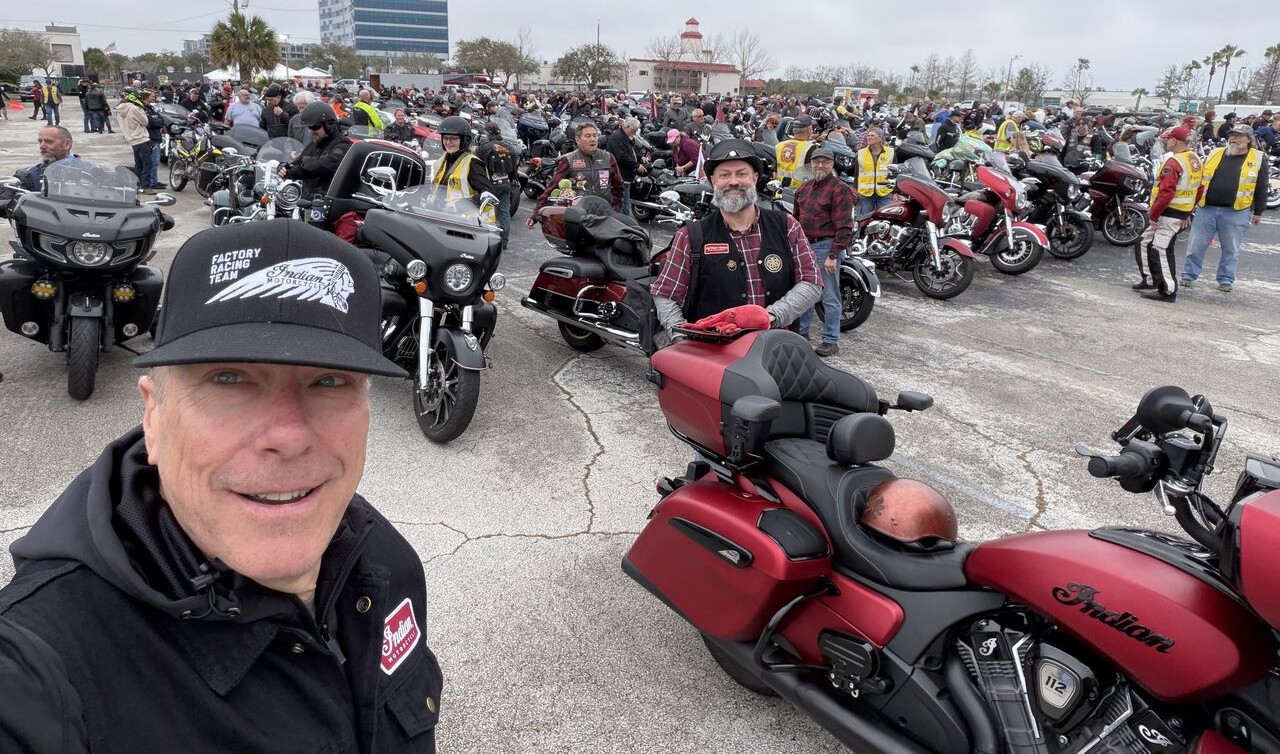
He also emphasized the importance of maintaining stable, healthy dealer operations, noting that turnover within a market can create confusion for customers and disrupt the ownership experience.
“Consistency matters,” he says. “Riders build relationships with their dealers. We need to support that.”
Strengthening the aftermarket connection
Another key focus area is the aftermarket — a segment Kennedy believes is essential to the overall rider experience.
“The aftermarket is incredibly important,” he explains. “It allows riders to personalize their bikes and make them their own.”
Rather than trying to offer every possible variation from the factory, Indian plans to simplify its core lineup and rely more heavily on aftermarket partners for customization.
“It’s about creating a strong ecosystem,” Kennedy says. “When the aftermarket thrives, the brand thrives.”
Reframing the private equity narrative
Indian’s transition to private ownership under Carolwood LP has prompted questions across the industry, particularly among dealers wary of private equity involvement. Kennedy acknowledges those concerns but challenges the underlying assumptions.
“Private equity isn’t inherently negative. At the end of the day, they want a well-run company, a strong team and a good return on their investment. That aligns with what we want.”
He points to companies like Fender Musical Instruments Corporation and BRP as examples of brands that have thrived under private equity ownership.
“Carolwood understands brands,” Kennedy asserts. “And they’ve made it clear they want to see this one succeed for the long term.”
Defining success
Ask Kennedy what success looks like three years from now, and his answer doesn’t start with sales figures.
“It starts with what our dealers say about us,” he says. “If they’re telling other dealers that we’re transparent, that we have their back — that’s success.”
From there, he points to employee engagement and, ultimately, market share growth in Indian’s core segments.
“If we get the fundamentals right — the culture, the dealer relationships, the product — the rest will follow,” he shares.
A defining year ahead
With new ownership, new leadership and a milestone anniversary on the horizon, 2026 is shaping up to be a defining year for Indian Motorcycle.
Kennedy describes the outlook as “cautiously optimistic,” but there’s an unmistakable sense of momentum behind his words.
“There’s a lot of energy in the organization right now. We’ve got new products coming, a clear strategy and a team that’s excited about what’s ahead.”
For a brand steeped in history, the road forward is rarely about reinvention alone. It’s about balance — honoring the past while building for the future.
Under Kennedy’s leadership, Indian Motorcycle is aiming to do exactly that, one decision at a time.

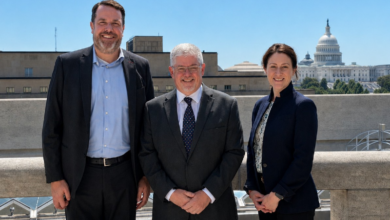
I wouldn’t be surprised if Polaris paid an incentive subsidy to Carolwood to take the helm of Indian.