Vespa celebrates 80 years as global cultural icon
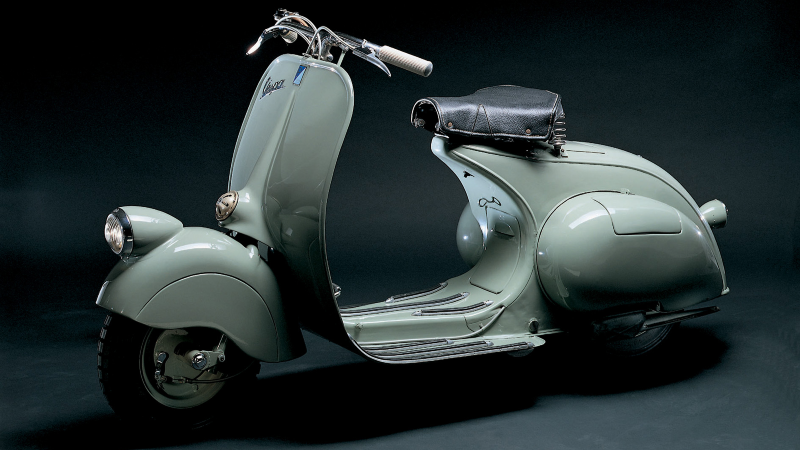
Piaggio is celebrating Vespa’s 80th anniversary this year, as the company founded and patented the iconic scooter brand in 1946. Vespa emerged from post-World War II Italy as an affordable, mass-market mobility solution designed by aeronautical engineer Corradino D’Ascanio. Its step-through design, enclosed mechanics, and ease of use quickly set it apart, helping redefine personal transportation.
Early production ramped rapidly
From just over 2,400 units in 1946 to nearly 20,000 by 1948, Vespa became a symbol of freedom and recovery in Europe after WWII. By the 1950s, international manufacturing and distribution had expanded across Europe, Asia and the Americas, with the brand reaching more than 100 markets and becoming a global cultural icon.

Milestones followed
One million units were produced by 1956, four million by 1970, and more than 10 million by 1988. The introduction of key models like the Vespa 125 (1948), 50cc “Vespino” (1963) and the PX series (1977) helped cement its mass appeal, while continuous innovation — from early monocoque steel construction to electronic fuel injection and modern safety systems — kept the platform evolving.
Beyond transportation
Vespa has become embedded in pop culture, from films like Roman Holiday to decades of global media, symbolizing Italian style and the “Dolce Vita” lifestyle. It also built a passionate global community, with Vespa Clubs forming worldwide and organized events dating back to the late 1940s.
Growth in the 2000s
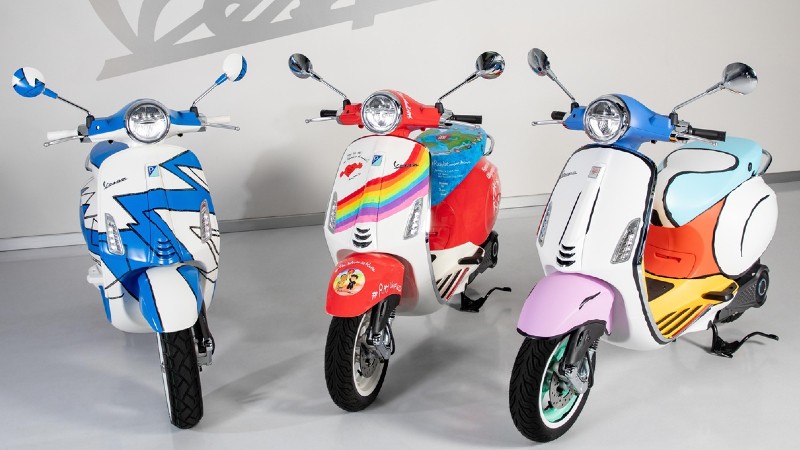
Vespa has seen renewed growth in the 21st century, surpassing 200,000 annual units in 2018 and producing more than 2 million scooters in the past decade alone. Today, with nearly 20 million units produced and manufacturing spanning Italy, Vietnam and India, Vespa remains one of the most recognizable and enduring brands in powersports as it celebrates its 80th anniversary in 2026.
Happy anniversary to Vespa! Grazie mille a tutti!