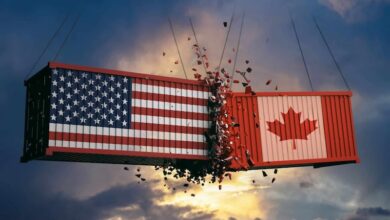
Tariff uncertainty ripples across powersports industry as OEMs, associations respond
Shifting U.S. tariff policies are creating a widening divide across the powersports industry, with some manufacturers signaling minimal impact while others warn of significant financial pressure and ongoing uncertainty.
Recent announcements from companies including Polaris Inc. and BRP Inc., along with advocacy efforts from industry groups such as the Motorcycle Industry Council, show how evolving trade measures are affecting different parts of the market in very different ways.
Polaris: Limited impact expected
Minnesota-based Polaris recently announced that it does not expect recent tariff policy changes to materially affect its previously issued 2026 financial guidance. The company pointed to its domestic manufacturing footprint — including facilities in Alabama, Indiana and Minnesota — as a key factor limiting exposure.

As one of the few major U.S.-headquartered powersports OEMs, Polaris has invested heavily in U.S.-based production and supplier relationships, which executives say helps offset import-related cost pressures. The company plans to share additional detail during its upcoming earnings call but is maintaining its current outlook.
BRP: $500 million tariff headwind
In contrast, BRP outlined a more challenging scenario. The Canada-based manufacturer recently announced it is suspending its fiscal 2027 guidance following recent amendments to Section 232 tariffs on steel, aluminum and copper imports that took effect April 6.

Under the revised structure, a 25% tariff now applies to the total value of imported snowmobiles and most off-road vehicles, replacing a previous framework that targeted only certain material content.
BRP estimates the change could result in more than $500 million in additional tariff costs for the remainder of the year before mitigation efforts.




“Like many manufacturers, we are operating in a highly volatile and unpredictable tariff environment,” says President and CEO Denis Le Vot, adding that the company expects to rely on its balance sheet and operational flexibility to manage through the changes.
Refund process offers partial relief
Some companies may see limited relief through a newly launched tariff refund process administered by U.S. Customs and Border Protection.
The agency recently opened filings under its CAPE system for refunds tied to tariffs imposed under the International Emergency Economic Powers Act that were later struck down. Importers can now submit claims for eligible entries through the Automated Commercial Environment portal.
Industry representatives say the outcome will depend heavily on each company’s sourcing strategy and how products were classified at entry.
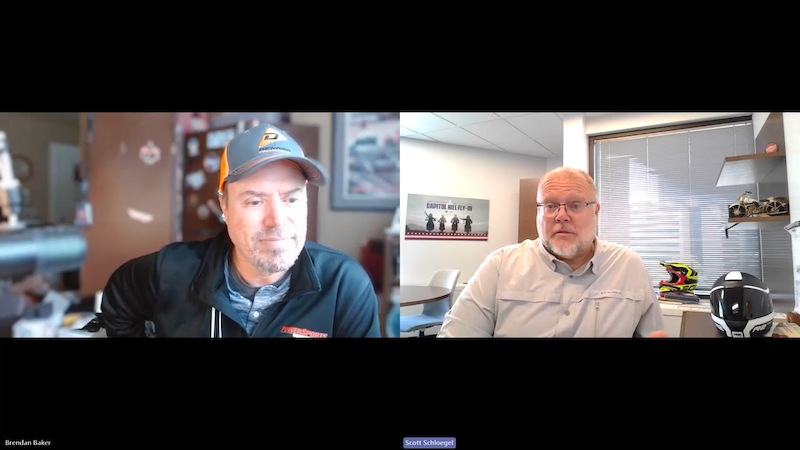
“This is a meaningful step, but the impact will vary significantly from company to company,” says MIC’s Scott Schloegel, noting that companies should review eligibility closely.
Industry groups push back on additional tariffs
Industry associations are also working to prevent further tariff expansion. The Motorcycle Industry Council, along with the Recreational Off-Highway Vehicle Association and the Specialty Vehicle Institute of America, submitted comments to the Office of the U.S. Trade Representative as part of an ongoing Section 301 investigation.
In their filing, the groups urged officials not to impose additional tariffs on powersports vehicles and components, arguing that the industry does not meet the criteria the investigation is intended to address.
They also pointed to existing tariffs that have already raised costs, pressured pricing and increased compliance burdens — particularly for four-wheel segments such as ATVs and side-by-sides, which remain subject to higher rates than some motorcycle categories.
The associations said additional tariffs could further strain supply chains at a time when many companies are still adjusting to earlier trade measures.
Uneven impact across the industry
The latest developments show a split across the industry. Companies with a larger U.S. manufacturing base, like Polaris and Harley-Davidson, appear less exposed to tariff changes, while those with more imported products face higher costs.
Ongoing policy changes, refund opportunities and trade investigations are adding complexity for manufacturers, suppliers and dealers. More detail is expected in the coming weeks as companies report earnings and federal trade discussions continue, leaving the industry watching closely for what comes next.