Inflation ticks up, adding pressure to big-ticket consumer purchases
U.S. inflation accelerated in April, raising additional concerns for consumers considering large purchases such as motorcycles, ATVs, side-by-sides, boats and automobiles.
According to the latest Consumer Price Index report released May 12 by the U.S. Bureau of Labor Statistics, consumer prices rose 3.8% year-over-year in April, the highest annual inflation rate since May 2023. Monthly inflation increased 0.6% on a seasonally adjusted basis.
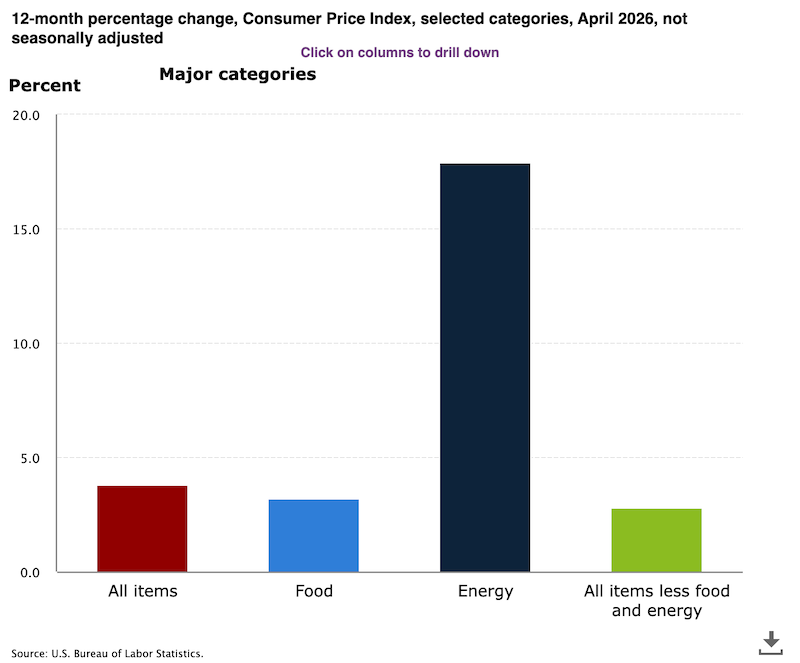
Core inflation — which excludes food and energy prices — rose 2.8% annually, remaining well above the Federal Reserve System’s long-term 2% target.
Energy prices were a major driver of the increase, climbing 17.9% over the past 12 months, while gasoline prices jumped 28.4% year-over-year. Shelter costs increased 3.3% annually, and airline fares rose 20.7%.
The inflation report comes as powersports dealers and OEMs continue monitoring consumer financing conditions and discretionary spending trends. Higher inflation can affect purchasing decisions for large recreational products by increasing borrowing costs, pressuring household budgets, and reducing consumer confidence.
The CPI report showed mixed signals for vehicle-related spending. New vehicle prices declined 0.2% in April, while used vehicle prices were flat. However, motor vehicle insurance costs continued rising, increasing 0.1% for the month and contributing to broader transportation cost pressures.
Additional signs of consumer caution emerged in the preliminary May consumer sentiment survey from the University of Michigan. The Index of Consumer Sentiment fell to 48.2 in May from 49.8 in April, down 7.7% year-over-year and near lows last seen in 2022.




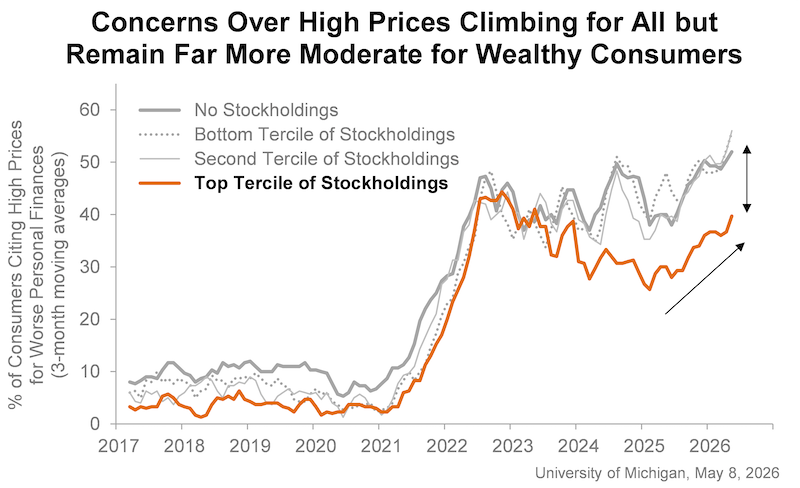
The survey’s Current Economic Conditions index dropped 18.8% from a year ago, while respondents increasingly cited gasoline prices and tariffs as major concerns affecting household finances and buying conditions for large purchases.
“Consumers continue to feel buffeted by cost pressures, led by soaring prices at the pump,” Surveys of Consumers Director Joanne Hsu said in the report. Hsu added that roughly one-third of consumers spontaneously mentioned gasoline prices while about 30% referenced tariffs.
The report also showed wage growth losing ground to inflation. Real average hourly earnings fell 0.5% in April and were down 0.3% from a year ago, according to the BLS data.
CNBC reported that investors increased expectations for a potential interest rate hike later this year following the inflation release, as policymakers continue evaluating how rising energy costs and geopolitical tensions could affect the economy.
Heather Long, chief economist at Navy Federal Credit Union, told CNBC that inflation is becoming a growing strain on household finances.
“There is a real financial squeeze underway,” Long said, according to CNBC. “For the first time in three years, inflation is eating up all wage gains.”
Inflation expectations also remain elevated. The University of Michigan survey found year-ahead inflation expectations eased slightly from 4.7% in April to 4.5% in May, but remained significantly above pre-Iran conflict levels earlier this year.
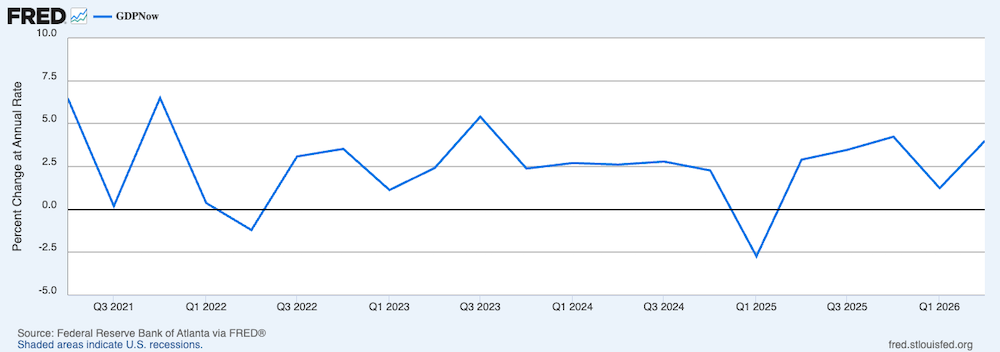
Despite inflation pressures, consumer spending and broader economic growth have remained resilient. CNBC cited the Federal Reserve Bank of Atlanta’s GDPNow tracker as projecting 3.7% second-quarter economic growth.
The next Consumer Price Index report is scheduled for release on June 10 by the Bureau of Labor Statistics.