How tariffs are affecting the motorcycle market
Amid uncertainties around the recently imposed tariffs, Cycle Trader published an article weighing in on the potential impact the new tariffs will have on the motorcycle industry, including the effects they will bring to foreign and domestic OEMs, dealers, and consumers.
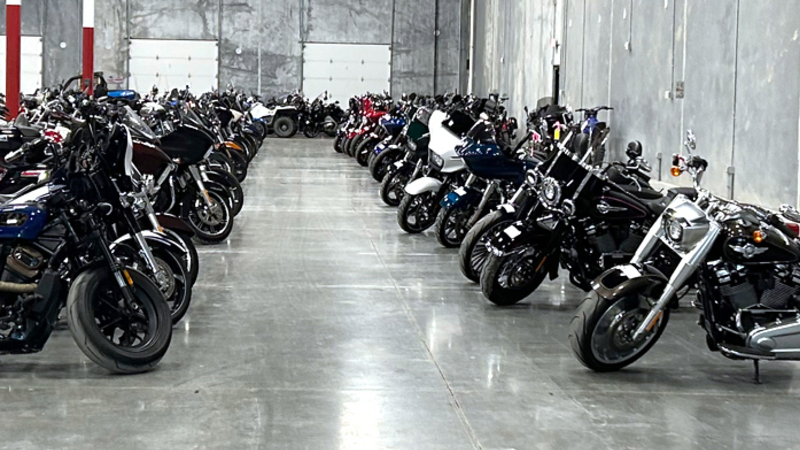
Higher prices from major OEMs
This year, imported motorcycles were hit with a 25% tariff, a substantial increase from the previous 2.5%. The price rise is getting passed on to dealers and, eventually, consumers. BMW, KTM, Triumph, Honda, Yamaha, and Royal Enfield prices increased throughout numerous models. This has caused new unit sales to slump a bit, and consumers are increasingly looking to the used market as an alternative. Cycle Trader reports that this has driven up the cost of some used models by as much as 10% to 20% this year. Models 25 years and older benefit from a lower rate of 2.5%, sparking interest in the import of vintage models.
The higher tariff rate not only applies to machines but also to parts, including engines, transmissions, and electrical components. Zero Motorcycles, for example, initially locked in reservation prices but had to raise the MSRP of new models due to increased costs.
This tariff rate also hits much of the aftermarket, affecting the prices of replacement parts and service. Tariffs on regular replacement items like brakes and gaskets have driven up the cost of maintenance, while P&A prices are also impacted.
U.S.-made machines also impacted
Even U.S.-built vehicles aren’t immune, as many rely on imported steel and aluminum for production. According to MIC, motorcycles with foreign-produced steel components are now subject to steep new 50% tariff. For example, a $10,000 motorcycle could jump to $13,000–$14,000 at retail. Moreover, retaliatory tariffs from the foreign market on the U.S. range from 6% to 56%, potentially decreasing the interest and export of American-made products.
Harley-Davidson says the import of parts and foreign-made components is projected to cost the company as much as $175 million in 2025 alone. Domestic production in the U.S may reduce the amount spent on tariffs but will involve significant investments and higher costs, resulting in even smaller profit margins.
Consumer consequence
The article concludes that a higher percentage of motorcycle enthusiasts in the U.S. ride for leisure rather than for everyday transportation, decreasing the possibility of large purchases due to economic uncertainty. Higher costs, fewer motorcycle sales, and reduced profits could ultimately lead to the loss of corporate, manufacturing, and retail jobs, which will further contribute to reduced consumer confidence and spending.