
Feature film about motorcycle icon ‘Iron Lilly’ Farrow looks to uplift an industry
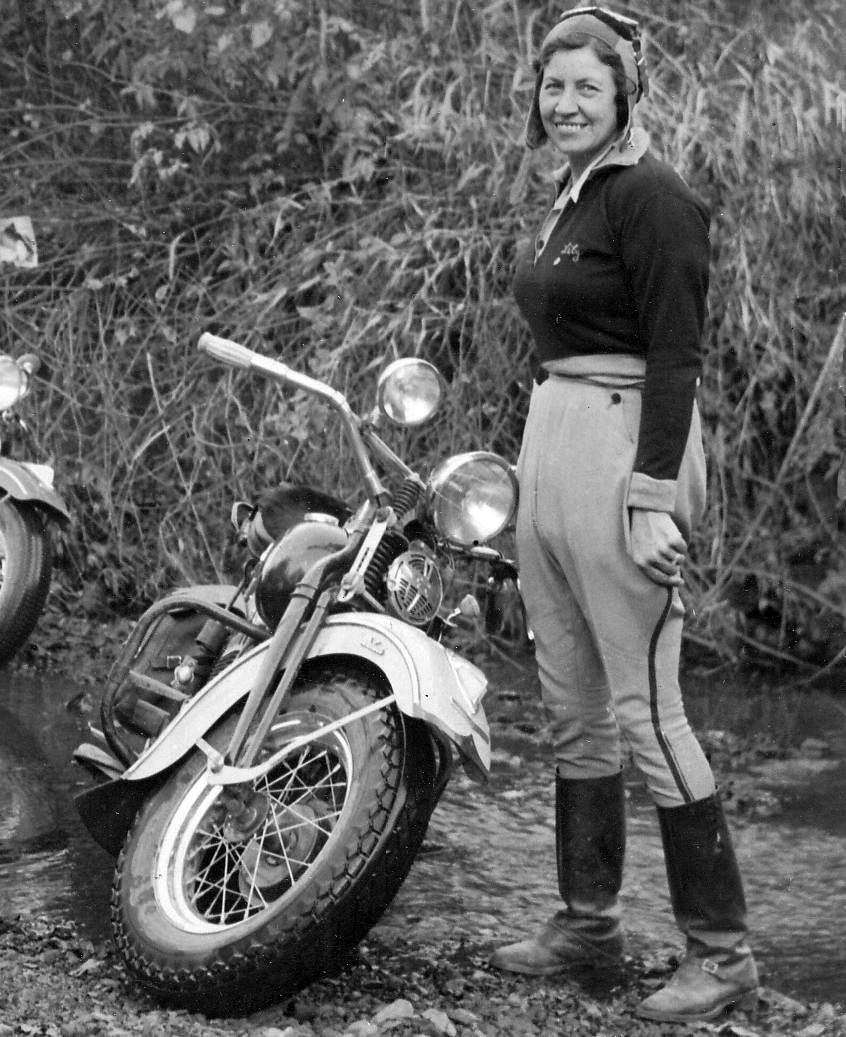
The story of Iron Lilly dates to the early 20th century, when Lilly Farrow shattered the motorcycle industry’s glass ceiling by becoming the country’s first female Harley-Davidson dealer. Now, more than 110 years after Farrow and her husband first opened the Ohio-based dealership, her legacy is being retold to a mainstream audience through a major motion picture in hopes of inspiring a new generation of V-twin riders.
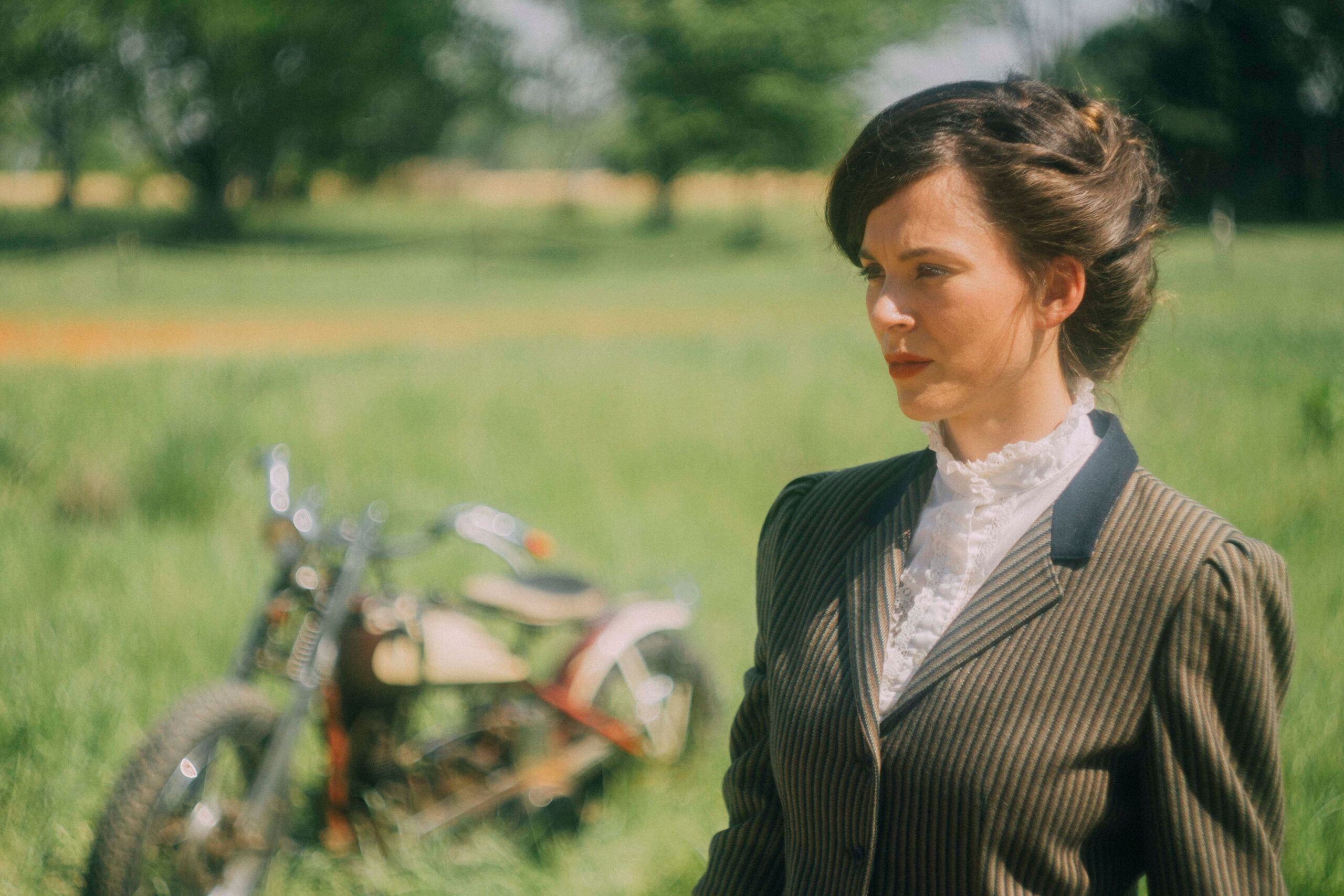
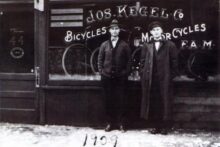
Coined as the Amelia Earhart of motorcycling, Farrow was a trailblazer in the industry. In 1912, she, along with her husband, A.D. Farrow, co-founded what is now the country’s oldest Harley-Davidson dealership in the world. Following her husband’s unexpected death, Farrow ran the store independently, all while being a single mother, fighting against buyout offers, financial hardship, and scrutiny from a male-dominated industry.
Eventually, Farrow’s determination gained the respect of her peers and the motorcycle community. She ran the service department and sold units, parts, and accessories. She founded The Buckeye Motorcycle Club — the first uniformed motorcycle club in the U.S. — and promoted racing events, including hill climbs, ice races, and flat track competitions.
Uplifting an industry
Leading the production of the film “Iron Lilly” is City of Peace Films. Michael Johnson, the company’s founder and a lifelong motorcyclist, purchased the film rights in 2021. The company’s CEO Yochanan Marcellino says the biopic centers on Farrow’s life and her hardships and successes as a Harley dealer.
Marcellino says he hopes the film will help uplift the motorcycle industry, not only by telling Farrow’s inspirational story, but by captivating audiences with two-wheel excitement. Using authentic and fully functional motorcycles from the early 1900s, audiences will be immersed in motorcycle culture, from the drama of Farrow navigating life as America’s first woman Harley dealership owner to action-packed scenes like ice racing and vertical hill climbs.
“This is going to be an exciting film, but it’s going to be real. It was a true story. This lady did it, and I think that’s what people are resonating with,” Marcellino says.
Mike Shell, who’s the project’s chief marketing officer, says the film aims to honor Lilly Farrow’s legacy while using her story to attract new riders and promote inclusivity. Snell, who worked in a similar capacity on the motorcycle documentary “Why We Ride,” saw firsthand how a film can resonate with an audience and have a lasting impact.
“What we want to do with this film is uplift the industry.” — Mike Shell
“‘Why We Ride’ got a lot of butts in the seats and inspired a lot of people to get back into the industry and start riding. And that’s what we feel this film is going to do.”
Many other popular films have also resonated with audiences, pushing an otherwise niche hobby into the mainstream, such as “Saturday Night Fever,” which helped fuel the 1970s disco craze.
“Throughout history, films have done this. Look at what the movie F1 did to Formula 1 racing, or what Caddyshack did to golf. When “A River Runs Through It” came out, fly fishing was up 60% two years in a row. So, it does have a way to resonate,” Snell says.
Snell adds that the film has a chance to reverberate beyond bikers and motorheads, and insists it isn’t just a motorcycle movie, it just happens to include motorcycles.
The movie, at its core, is about family, loss, perseverance, and overcoming odds. Something he says has generated interest from non-motorcyclists who want to see the film.
How a whole industry benefits
Creating excitement among new riders and reinspiring older enthusiasts has an undeniably positive impact on the industry. Snell spells it out in the simplest terms: More interest in motorcycles means more business for dealers.
He emphasized the importance of foot traffic in a dealership and how every organization has a standard operating procedure. For a dealer, the initial goal is to get customers through the doors. Regardless of how they walk in, get them in. Once in, every dealership has a system. “We don’t care how you get somebody in the door. Get them in,” he says.
Once in the building, dealers can work their magic. Whatever their secret sauce is: show them the latest model, let the customer sit on the bike, pre-qualify them for financing, ask if they want to trade in that machine they haven’t ridden in 10 years. And Snell believes a movie like “Iron Lilly” will increase visits.
“So that’s one of the big things that we feel this film’s going to do: increase showroom traffic,” he says. “Uplift an industry, bring in new riders. And you know, if we get 30 million people to see this film, which we’re pretty confident in, it’s going to do a lot for the industry.”
And it’s not just dealers that benefit from an uptick in popularity, but OEMs will benefit from the inventory moving. P&A aftermarket companies will become direct beneficiaries as well, whether that’s from new riders needing gear or reinvigorated enthusiasts buying batteries and spark plugs after dusting off their old Harley that was sitting in the garage.
“Every OEM, from Honda to Harley, benefits, and every parts and accessory company, from Parts Unlimited to Drag Specialties, they all benefit,” Snell says.
Marketing push and expected release
The current marketing push for “Iron Lilly” includes crisscrossing the country, hitting all major motorcycling events from Daytona to Sturgis, and showing select audiences the film’s 23-minute short, or proof of concept.

Unlike a full-length film, this sneak peek is produced specifically to showcase the film’s concept, tone, and style to investors to secure funding for a feature-length project. Marcellino says it’s using this approach to evaluate the movie’s interest and eliminate any major risks.
“In the motion picture industry, everything ramps up to opening weekend,” says Marcellino, who has more than 30 years of experience in the film production industry. “If you hit a home run on opening weekend, you will more than likely hit a home run with the film. If the opening weekend is a flop, then it’s very difficult to keep your film in theaters and benefit from that. So early on, we recognized that we did not want to do the Hollywood model.”
The Iron Lilly Project has had a specific program in place for the last three months, where people go online, watch the trailer and, from there, make a pledge — essentially a promise to buy tickets when the movie is released in theaters. Marcellino says the film has already seen tens of thousands of pledged tickets in just a few months. The current goal is to get two to three million in pre-sold tickets before opening day weekend.
“This is a fundraising tool that we’ve been using to ignite people. We hope to be in pre-production in fall 2026,” says Marcellino. “This isn’t in granite, but my hope is we’re able to get this thing shot and done and out by fall 2027.”
Dealers can become partners in the Iron Lilly project, which offers exclusive benefits, including pre-selling tickets, VIP screenings, marketing materials, and more. Visit the website for full details.