Opinion: EVs — opportunity or bust?
This article first appeared in the October edition of Powersports Business.
The global electric motorcycle market is showing signs of strain, but some industry voices say the U.S. still has growth potential if dealers prepare for it. But when is the customer going to materialize? The early adopters of electric motorcycles have them already. Now it’s time to bring them to the masses if the masses can be persuaded to give them a try.
In Australia, News Corp. journalist James Chung reports that MotoGP’s MotoE electric racing series will be suspended after seven seasons. Race organizers cited low fan interest and a sluggish electric motorcycle market as reasons for the decision.
The downturn extends beyond the racetrack. More than 400 unsold electric motorcycles were auctioned off at steep discounts after longtime retailer Peter Stevens collapsed into administration. According to Chung, the stash of bikes represented more units than were sold nationally in all of last year.
Organizers of MotoE said the market for electric performance motorcycles “has not developed as expected,” while the broader motorcycle industry continues to invest in efficient combustion engines and alternative fuels.
But the picture isn’t entirely bleak. Speaking on PSB’s Power Hour podcast last November, industry veteran Andy Leisner argued that electrification in powersports is still in its early stages, with transformative technology on the horizon.
“We’re still in the infancy of electrification in powersports. The real change comes when solid-state batteries arrive — lighter, safer, cheaper, and faster charging,” Leisner says.

Leisner pointed to the youth market as the most immediate opportunity. With teenagers already riding e-bikes and Sur-Rons, he believes the industry is on the verge of its largest surge in rider growth in decades.
“If we can capture these kids, it could be the biggest rider growth wave since minibikes in the ’70s.”
He also cautioned against simply replicating gas-powered motorcycles in electric form. Instead, he sees potential in new categories, especially small to mid-displacement equivalents and lightweight off-road options. Global lessons offer a warning: India already sells over a million electric two-wheelers annually, and Leisner noted that U.S. OEMs risk disruption if they don’t move quickly.
For dealers, the takeaway is clear: while electrics may not replace gas bikes in the short term, they can bring a new generation into the sport.
“The goal isn’t to convert every gas rider. The real opportunity is bringing in a new generation of riders through electric,” Leisner adds.
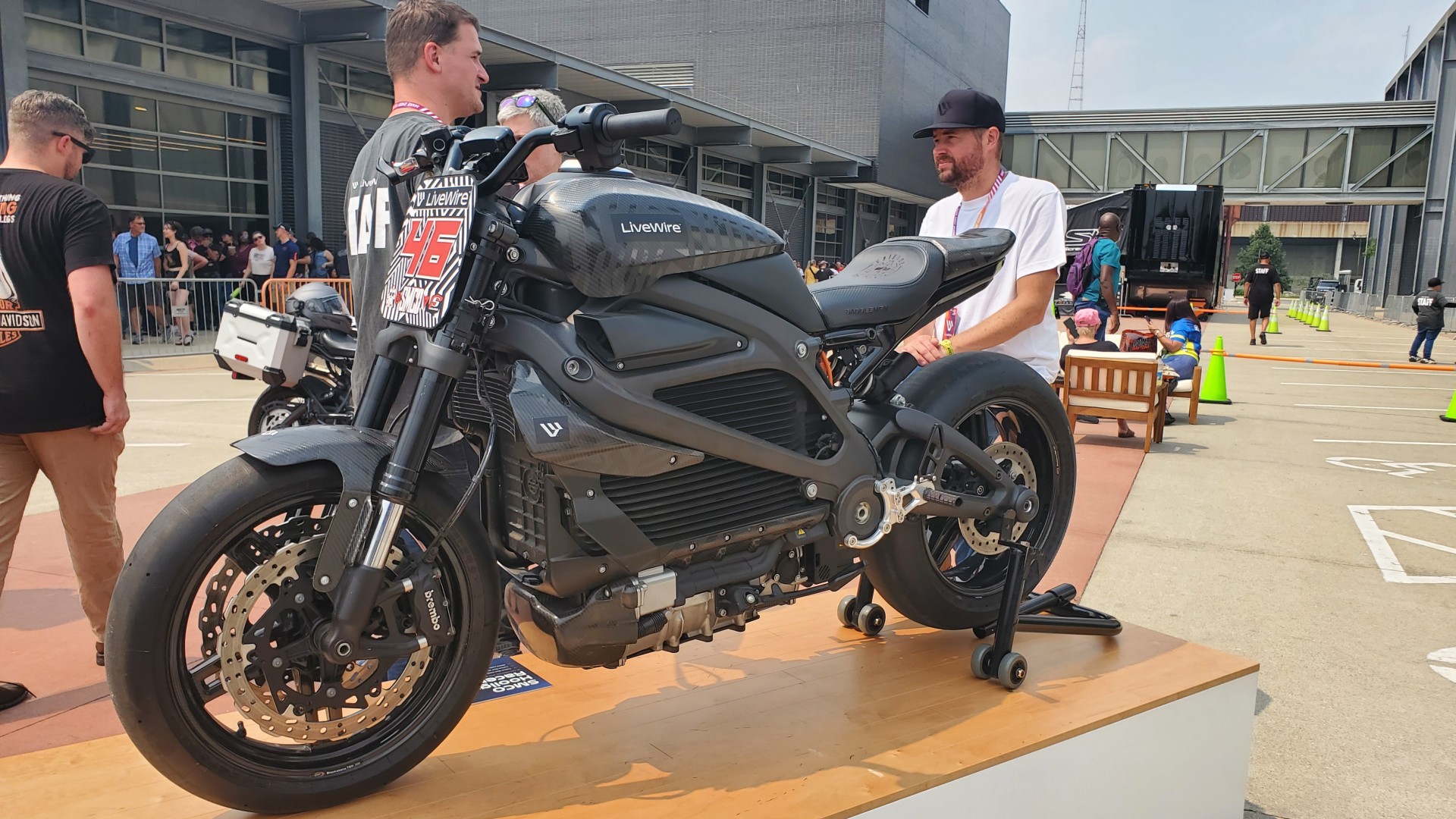
LiveWire struggles
The EV spinoff of Harley-Davidson has yet to deliver the sales performance many expected. LiveWire’s early models drew headlines for their styling and performance but struggled to connect with mainstream riders due to high prices and limited range.
The company has since retooled its strategy, introducing lower-cost models like the S2 Del Mar while working to reduce production costs and expand distribution. Dealers watching the brand note that while unit sales are modest, the technology continues to improve, and pricing is now aimed closer to gas-powered middleweight motorcycles.
Industry insiders suggest LiveWire is playing a long game: building credibility in electric performance, refining its battery systems, and eventually using scale to achieve competitive pricing. For now, its challenges underscore how difficult the electric motorcycle market remains, even for a brand with Harley-Davidson’s name recognition.
Can-Am’s gamble
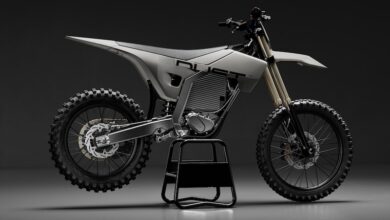
BRP is betting big on electrification with its Can-Am Pulse and Origin motorcycles — the first mass-produced electrics from the company. Built on a scalable platform, the machines are designed not only for on-road use but also as a technological foundation for future off-road products.
This summer, BRP unveiled an Outlander Electric ATV, expanding its electric push into the utility and recreational side-by-side markets. Executives see this as a way to capture both existing BRP customers and new riders looking for quieter, low-maintenance alternatives.
Can-Am’s gamble positions the company as one of the few major OEMs to commit heavily to electrification at scale. While early demand is uncertain, the strategy signals BRP’s intent to shape the electric market rather than wait for it to mature. Dealers will be watching closely to see if customers embrace the new lineup or if it becomes another case study in cautious adoption.