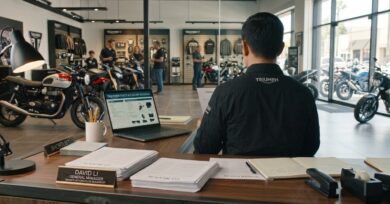
Sonic flexes automotive muscle to strengthen powersports presence
This article originally appeared in the June issue of Powersports Business.
Already one of the largest automotive retailers in the U.S., Sonic Automotive is making an aggressive push into the two-wheel market, and with 20 dealerships across the U.S., it is also poised to become one of the country’s largest powersports retailers.
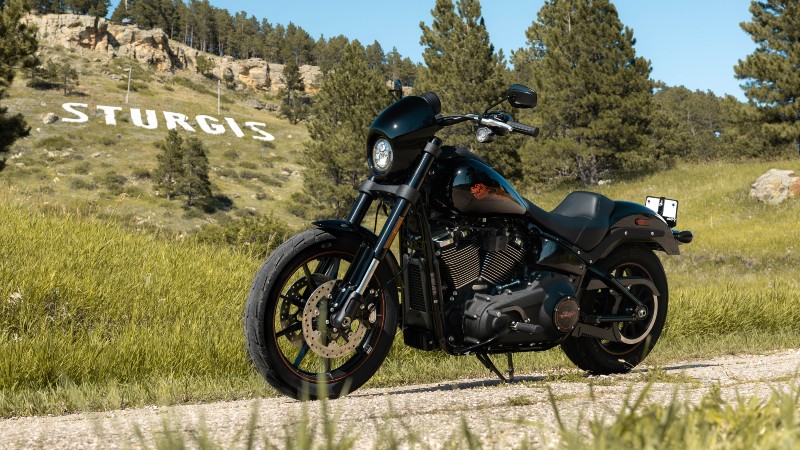
Sonic’s latest positioning within the powersports segment came in April, after the company acquired five Harley-Davidson dealerships across key U.S. markets as part of its ongoing growth strategy.
The newly acquired stores — located in California, Florida, Georgia, and North Carolina — expand Sonic’s reach in some of the country’s most active and all-season riding regions and deepen its presence within the Harley-Davidson dealer network.
“It’s a very exciting time for us,” said Sonic Automotive President and Director Jeff Dyke when he joined PSB during a Power Hour podcast. “These acquisitions will help balance out some of the stores in northern states that we own, which kind of shut down during the wintertime.”
These latest acquisitions increase Sonic’s powersports presence in the Southern half of the U.S., which consisted of a collection of stores in Texas, North Carolina, and Florida. Dyke says it’s a big boost when dealerships, particularly those in the Southern and Western U.S., can sell year-round.
“When we’re really selling 24-7 in those environments versus when it’s snowing and icy outside, and we’re just not selling a lot of motorcycles … It makes all the difference in the world.”



Sonic’s extension into powersports was a natural fit, and acquiring independently owned dealerships across the country was something the company had plenty of experience doing. Sonic essentially just plugged its business model of snapping up auto dealerships into powersports.
But acquiring dealerships across the U.S. is just one element of Sonic’s growth. Developing and implementing operating procedures is also key, and a process that takes time. How much time?
“Four or five months of good solid work for our team just to get in there and get into the environment and the culture the way that we want,” Dyke says. “We expect the guest experience in our stores to be exceptional. Sonic Automotive is really known for that.”
But putting Sonic’s own specific imprint on all its acquisitions isn’t a universal recipe. Location, brands, technology … they all hold relevance. However, one area of a dealership that Sonic doesn’t change is the name.
“There’s a lot of equity in the names,” Dyke said. “We’re going to let the original names ride. There’s just too much value in them.”
The Harley brand
Harley-Davidson is another example of Sonic respecting the built-in capital. Harley dealerships represent a little more than half of Sonic’s powersports portfolio, and Dyke says the company isn’t in the business of going in and switching everything around, as there’s too much brand equity in the Harley name.
What Sonic does do is take proven methods it’s developed in the auto industry and apply them to powersports, such as updating facilities and implementing new technologies.
Advertising is another element Sonic taps into. As Dyke explains, some dealership acquisitions didn’t allocate significant resources to marketing, and that’s something Dyke says Sonic can really leave a strong signature.
“These stores really haven’t ever spent any money from an advertising perspective,” Dyke says. “We’re bringing a lot of that to the table, and not just traditional-type advertising, but from a social media perspective and really dialing into consumers on where they’re shopping and how they want to shop.”

And with Harley-Davidson being such a large component of its powersports operations, Sonic has been keeping a close eye on The Motor Company’s recent corporate reset, saying it’s been encouraged by the new CEO’s vision.
“The brand, I think, is making a great iconic comeback. It’s a lot of fun to watch. Their new leadership is great. We’re having a lot of fun watching them do their thing.” — Jeff Dyke
Sturgis sales surge
Sonic showed what its processes can lead to when applied to powersports, and it was on full display last August during the Sturgis Motorcycle Rally in South Dakota.
During Sturgis, Sonic’s five dealerships in the Black Hills — including the newly opened Sturgis Harley-Davidson — sold more than 1,100 motorcycles during the 10-day event.
And that included moving metal to customers from every corner of the U.S, with numbers showing that unit sales were registered in all 50 states.
Four days had surpassed the 100-unit mark, including a single-day peak of 135 motorcycles that set a new sales record, eclipsing the previous high of 86.
By the end of 2025, Black Hills Harley-Davidson ranked as the No. 1 Harley-Davidson dealership in the U.S. for combined new and pre-owned sales, while the new Sturgis Harley-Davidson location debuted as the second-highest volume store nationwide.
During the Sturgis sales surge, Sonic mobilized more than 500 team members to assist with inventory, F&I processes, and technician help.
This strategy, Dyke says, is Sonic’s plan to use in the future to maximize sales, and not just at Sturgis, but with other major motorcycling events like Daytona Bike Week. It’s another key benefit of having such a diverse dealership portfolio that is spread throughout the country.
“We even let some of the automotive technicians who have Harley experience come up and turn a wrench for us during that time frame,” Dyke says. “So it’s all hands on deck. Everybody shows up. Everybody wants to go, and we make it a fun time.”
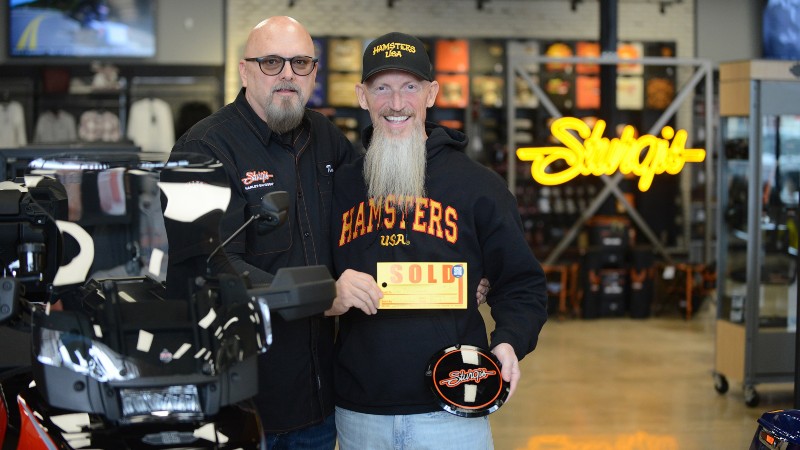
With that collective effort, Dyke says he envisions sales to keep increasing, perhaps even five times its record-setting output.
“We don’t see 1,100 bikes as a particularly high number. We believe we can sell 5,000 bikes. But to do that, you need the inventory and the trust of the manufacturer — which we’ve done.” — Jeff Dyke
When Sonic first jumped into the powersports scene, Dyke says the company was bringing in around $50 million to $60 million in annual revenue. Today, that number is now pushing $300 million annually. But despite the large sales, Dyke stresses it’s more about the process than the numbers.
“Revenue in the auto retail world is strange because our average selling price is $50,000. So, when you sell a unit, you make a lot of revenue,” he says. “The important thing is the margins. How many are we selling? How much of the gross are we keeping?”
Dyke adds that Sonic will keep striking while the iron is hot, look for more growth opportunities, and show customers how the company sets itself apart from the competition.
“What we’re trying to do is establish our footprint in powersports and really let the world know the difference that you get when you come into one of our stores,” Dyke says. “We’ve got plenty of inventory. We’ve got incredible merchandise and great training. Our teammates are armed with technology, and we’re not done yet. We’re going to keep growing. We love this business. The margins are fantastic, and there are so many opportunities out across the country for us to get involved in.”