Washington state law draws line between e-bikes and e-motos
A new Washington state law that took effect June 11 establishes clearer distinctions between electric bicycles and electric motorcycles, creating new regulatory requirements that could impact manufacturers, dealers and riders as the electric two-wheel market continues to evolve.
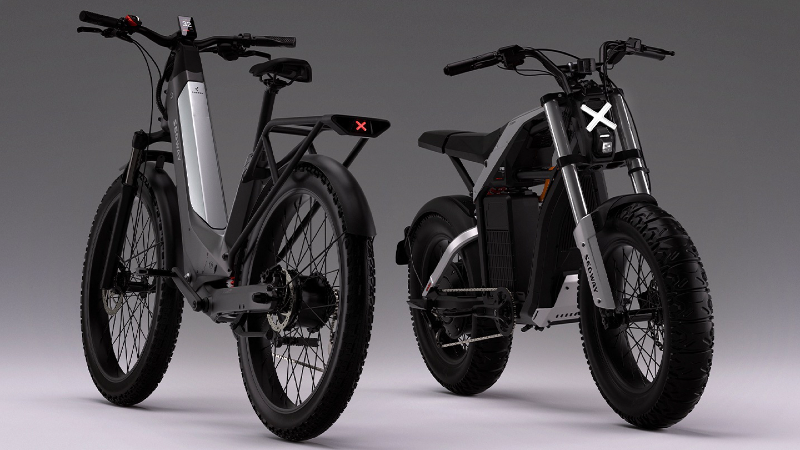
The legislation, approved earlier this year as Engrossed Substitute Senate Bill 6110, updates the state’s definition of an electric-assisted bicycle and clarifies when higher-powered electric vehicles must be classified and regulated as motorcycles.
Under the law, an electric-assisted bicycle must feature fully operational pedals, an electric motor producing no more than 750 watts and meet one of the state’s existing Class 1, 2 or 3 e-bike classifications. The law also excludes any vehicle capable of exceeding 20 mph using motor power alone from being considered an e-bike.
In addition, vehicles that can be easily modified through software settings, apps or other manufacturer-enabled methods to exceed e-bike limits are excluded from the e-bike classification.
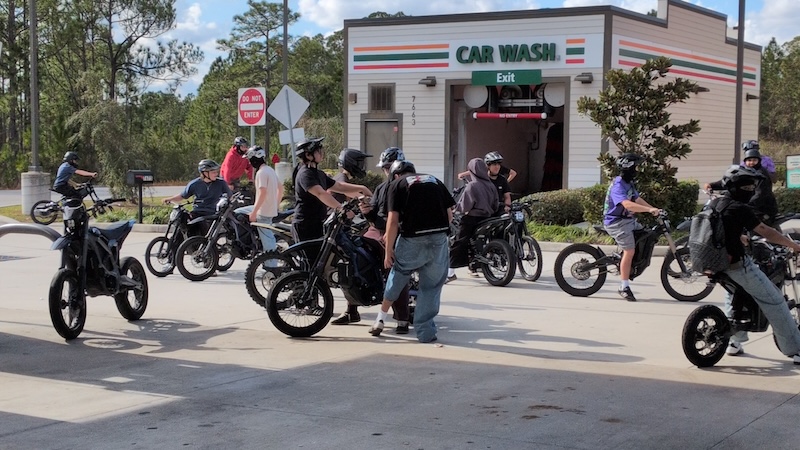
State lawmakers said the measure was prompted by a growing number of electric motorcycle riders, particularly teenagers and young adults, and concerns about confusion between electric motorcycles and electric bicycles.
According to law enforcement officials interviewed by Spokane’s local television station KHQ, the increase in electric motorcycle-related crashes involving minors was a key factor behind the legislation. Riders operating vehicles that no longer qualify as e-bikes may now be subject to motorcycle licensing and registration requirements.
“Most people would not send their child to school on a traditional gas-powered motorcycle,” said Ellensburg Police Department Public Information Officer Cameron Clasen in the news report. “The fact that a vehicle is battery-powered does not change the fact that it may still be a motorcycle and require proper licensing.”

The legislation also acknowledges the rapid growth of electric motorcycles and directs the Washington Department of Licensing to convene a work group to develop a dedicated regulatory framework for the segment.
The group will include representatives from transportation agencies, safety organizations, local governments, motorcycle interests, trail users and electric motorcycle stakeholders. Recommendations are expected to address vehicle classifications, registration requirements, licensing standards, rider education and trail access issues.
For powersports dealers, the law highlights a growing challenge facing the industry as electric motorcycles increasingly blur the lines between traditional motorcycles, off-road vehicles and consumer e-bikes.
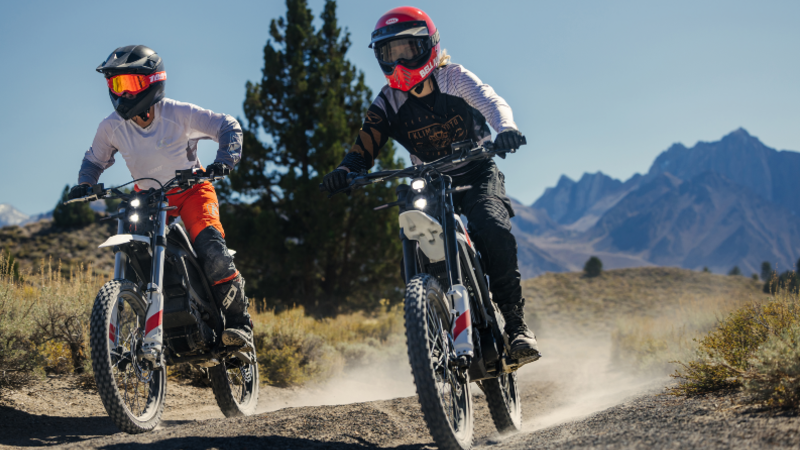
Manufacturers such as LiveWire, Stark Future, Zero Motorcycles and a growing number of emerging electric brands have introduced lightweight models that appeal to younger riders and first-time customers. At the same time, municipalities and state governments across the country are grappling with how to regulate increasingly powerful electric two-wheel vehicles.
The Washington legislation could serve as a model for other states seeking to clarify the distinction between electric bicycles and electric motorcycles as adoption continues to grow.
For dealers selling electric motorcycles and electric off-road models, the law underscores the importance of educating customers on vehicle classifications, licensing requirements and where specific products can be legally operated.