Editor’s column: Why dealers belong on Capitol Hill this year
If the past 18 months have taught powersports dealers anything, it’s this: the biggest threats to your business aren’t always sitting across the showroom floor — they’re often being debated in a committee room on Capitol Hill.
Tariffs. PFAS regulations. Land access. Even how a motorcycle is legally defined. These aren’t abstract policy discussions. They directly impact what you can sell, what your customers pay, and whether they even have a place to ride when they leave your dealership.
Which is exactly why the upcoming Capitol Hill Fly-In hosted by the Motorcycle Industry Council (MIC) isn’t just another industry event. It’s one of the most important dates on the calendar for dealers in 2026.
Showroom to the Senate
In a recent Power Hour podcast with Scott Schloegel, MIC’s senior vice president of government relations, one thing became crystal clear: the volume and complexity of issues facing this industry has never been higher.
Last year, tariffs dominated the conversation. This year, they’re still here, just layered with new challenges.
Despite a Supreme Court ruling striking down certain emergency tariffs, the administration has pivoted to new mechanisms to keep them in place. The result? Continued cost pressure across the board for helmets, tires, replacement parts and whole units.
Dealers are seeing it firsthand: higher prices, delayed service, and customers hesitating to buy. The sad truth is, those tariffs aren’t going away anytime soon.
At the same time, dealers are being squeezed by a different kind of uncertainty. Regulations around PFAS “forever chemicals” are popping up state by state, sometimes with sweeping language that could unintentionally ban the sale of youth ATVs or motorcycles.
Meanwhile, public land access, the lifeblood of off-road riding, depends on federal funding decisions that many dealers rarely think about.
Why the Fly-In matters
That’s where the Capitol Hill Fly-In comes in. Scheduled for May 18–19 in Washington, D.C., the event brings together OEMs, aftermarket companies, and — critically — dealers for a single purpose: to meet directly with lawmakers and their staff. Not lobbyists. Not trade groups speaking on your behalf. You.
The structure is simple but powerful. Participants receive issue briefings in advance, get matched with their elected officials, and spend a full day walking the halls of Congress, holding meetings in both the House and Senate.
Last year, the group conducted nearly 100 meetings in a single day. For an industry that sometimes struggles to have a unified voice, that kind of coordinated presence is hard to ignore.
Why dealers matter
Here’s something Schloegel emphasized — and it’s worth repeating: When a dealer shows up in Washington, it matters more. Why? Because you’re not theoretical. You’re not speaking in policy language. You’re talking about jobs, payroll, inventory, and customers in a specific congressional district.
You’re the one employing people locally. Sponsoring events. Paying taxes. Supporting a community. That resonates in a way no white paper ever will.
Lawmakers may hear from trade associations every day. But when a business owner spends the time and money to fly to D.C. and say, “This issue is hurting my business,” it sticks.
The issues
This year’s conversations won’t be hypothetical. Dealers will be weighing in on real legislation, including:
- Tariff policy and its impact on pricing and inventory
- Expanding funding for the Recreational Trails Program (RTP)
- PFAS regulations that could affect product availability
- Proposed rules like catalytic converter VIN etching requirements
- Changes to vehicle classifications that could impact products like autocycle models
And perhaps most importantly, the broader issue of access — ensuring customers actually have places to ride. Because without that, the entire industry shrinks.
The ripple effect
If you’ve never participated in a fly-in, it can sound intimidating. However, it shouldn’t be. The MIC team handles the logistics. They set up the meetings. They prep you with talking points. You don’t need a policy background — just real-world experience running your business.
And the benefits don’t end in Washington. One of the most valuable outcomes is what happens after you get home.
Dealers who attend often become more engaged locally — inviting lawmakers to their stores, building relationships with district offices, and becoming go-to voices on industry issues.
A $1.3 trillion industry
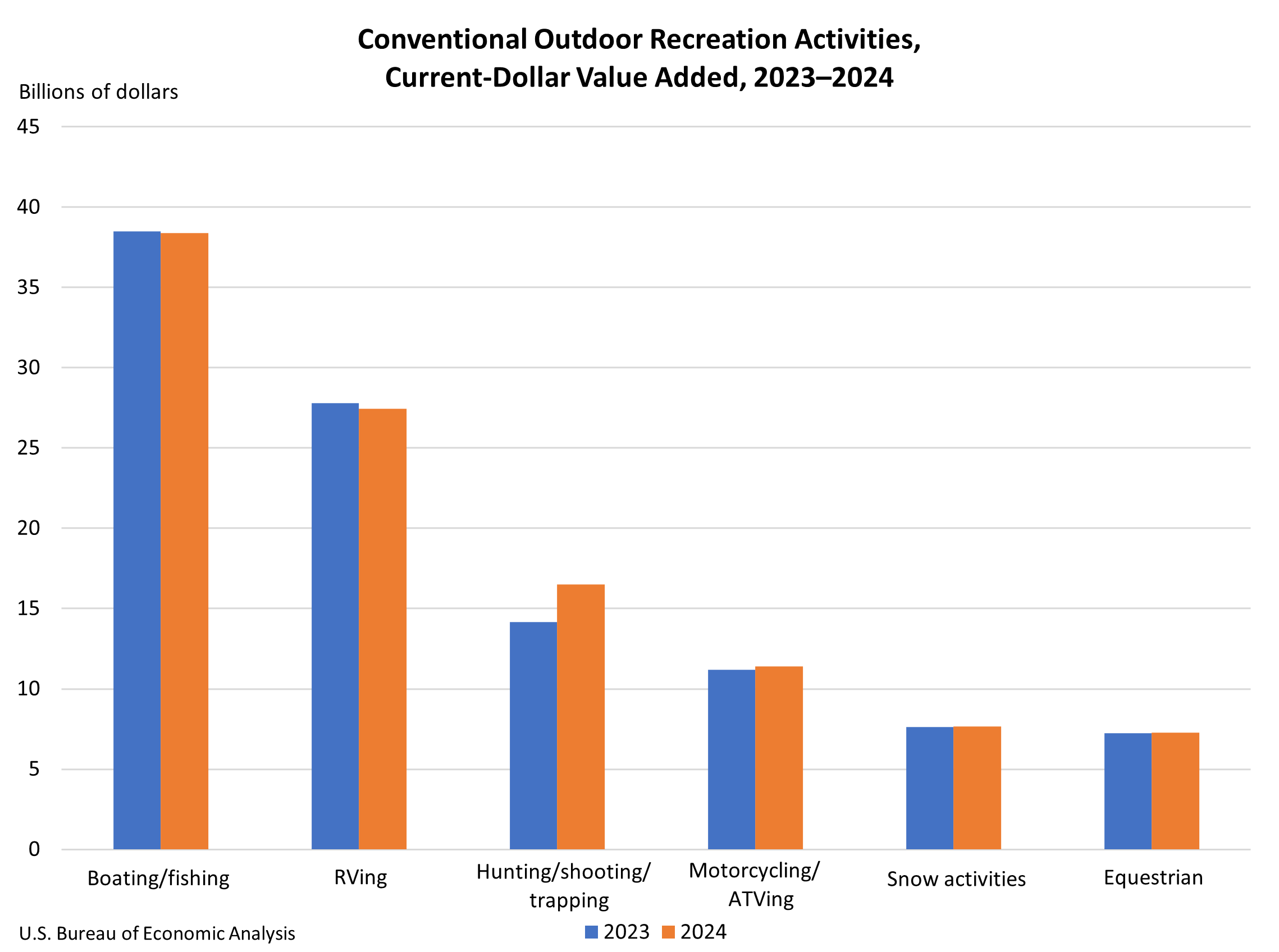
Outdoor recreation is a $1.3 trillion economic engine supporting millions of jobs. Powersports is a key part of that ecosystem. But economic size alone doesn’t guarantee political influence. Participation does.
Too often, dealers sit on the sidelines, assuming someone else is handling it. And to be fair, organizations like the MIC are doing heavy lifting every day.
But they can’t replicate the impact of dozens — or hundreds — of dealers showing up in person… As Schloegel put it, the fly-in is about multiplying the industry’s voice.
The bottom line
You can wait and see how tariffs shake out, and hope regulations don’t affect your inventory. You can assume land access issues won’t hit your market. Or, you can show up and be part of the conversation shaping those outcomes.
For an industry built on passion, independence, and action, this is one moment where getting off the sidelines isn’t just encouraged — it’s necessary. Visit capitolhillflyin.com to register today.