Dealer Council chair weighs in on Harley’s struggles, recent reset
This article originally appeared in the April edition of Powersports Business.
America’s most iconic motorcycle manufacturer has been facing some of its most challenging adversities.
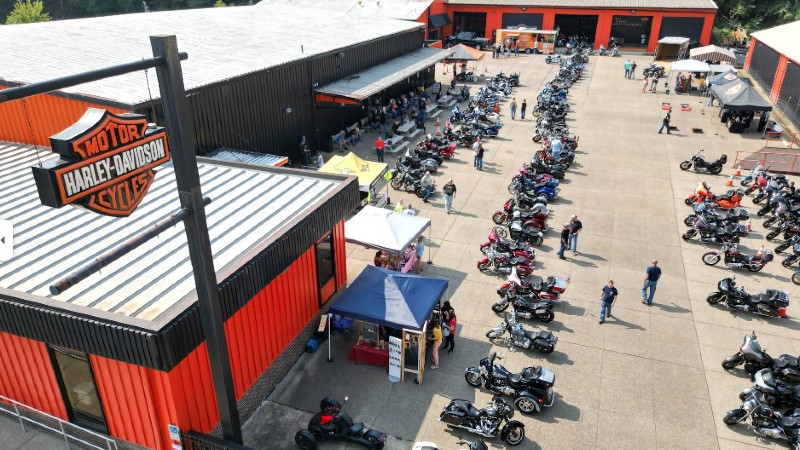
Last year, Harley-Davidson battled through a 12% loss in year-over-year sales, several dealership closures, and corporate infighting that led to former CEO Jochen Zeitz stepping down as chief executive. In turn, dealers faced their own difficulties: Carryover inventory, an online P&A sales push, unpopular — not to mention unaffordable — model releases … and that’s just to name a few.
Harley dealer George Gatto, who’s also chairman of NPDA’s Harley-Davidson Dealer Council, echoed these frustrations, but also expressed optimism about the future, citing new leadership and a culture change within the executive ranks that should turn the storied brand around
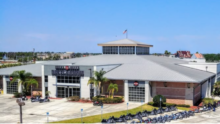
Powersports Business caught up with Gatto while his Pittsburgh-based dealership, Three Rivers Harley-Davidson, was going through a remodeling, tied to H-D’s Fuel Facility Program, where Harley dealerships undergo both interior and exterior upgrades to better enhance customer experience.
The scale of the construction was less than Gatto anticipated. Three-Rivers’ remodel went through multiple redesigns, since the project is tied to projected unit sales. Initially, Gatto’s projected sales were nearly 400 new units, but when the estimates dropped, so did the square footage, and Harley adjusted the scope of the project.
Gatto’s situation and the challenges in moving new units are just a microcosm of what Harley-Davidson dealerships have felt throughout the country. In 2006, during the peak of its production, Harley sold 350,000 motorcycles worldwide, with 260,000 units sold in the U.S. Fast-forward 20 years, and that number has dropped significantly, with 2025 figures showing around 130,000 units sold total.

“And that’s what Harley shipped, not what was sold out of the dealerships,” Gatto says. “We’re all sitting on a lot of inventory from last year. And when you look at these owners that have gigantic facilities, how do you pay for that facility and all your overhead when you’re only selling 200 new motorcycles a year?”
Fighting to stay profitable
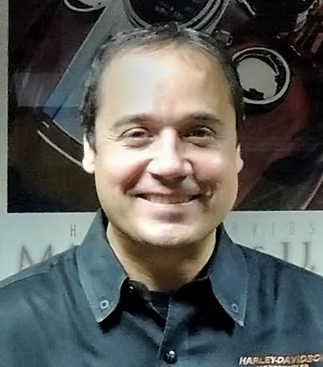
Dealers have responded with either store closings or consolidations. Over the last 12 months, several large H-D dealer networks have scaled down. And these consolidations aren’t being pushed by the OEM, Gatto says — this is happening organically.
Established Harley dealer Evan Schipper consolidated multiple dealerships in St. Louis and Virginia, RideNow Group combined locations in Arizona, and MOD Enterprises purchased three H-D stores in Virginia and consolidated them into one location — and that’s just within the last few months. Other locations in North Dakota, Pennsylvania, and Colorado completely closed operations, while more than a dozen other dealerships were sold to multistore enterprises.
To put it in perspective, at its height, Harley had well over 600 dealerships in the U.S. Today, that number sits slightly above 500.
Gatto also consolidated three stores into one location. Operations were still profitable last year, but he says his typical 10% annual operating profit was cut in half from 2025 levels and has fallen 14 points from pandemic sale levels.
“Most of the dealers I know are in the red.”
Harley dealers are doing what they can to mitigate the slow sales. Gatto says he’s seeing some dealerships taking on other brands such as Indian, Triumph, and Royal Enfield, and putting them under the same roof as their Harley machines. Used units have been vital in keeping dealers in the black, but that’s only if you have the capital to buy them outright. Gatto just purchased 200 used bikes last winter, but had enough capital to skirt high floorplan rates, which eat into profit.
And although Gatto says the pre-owned Harley market is booming right now, inventory isn’t currently meeting the demand. H-D produced its most machines in the early 2000s and has since scaled back half of its output. The downside is that late-90s and early-2000s bikes aren’t worth a dealership’s time, considering the difficulty in finding parts on the aftermarket.
“We can’t get parts to fix the damn things, Gatto says. “But [used-unit sales] is the only place you can make money. We’ve been giving away new Harleys because there are too many.”
I know dealers that have 60-80 carryovers. And they may be taking a loss on it, but they must go. You must clear out that old inventory. — Gatto
New CEO, new experience
The appointment of new CEO Artie Starrs last October signaled that The Motor Company was trying to correct course. However, following the announcement, skepticism arose over his lack of powersports experience. But Gatto believes an industry outsider is exactly what Harley needs.
“The thing I like about Starrs is he’s not from the industry, but he’s got customer service experience,” Gatto says. “What I really liked is that, even before he got the job, he went to multiple Harley stores. He bought a Harley. Bought a jacket. Bought a helmet. He went through the whole experience and asked: ‘Why are t-shirts $50? Why is a sweatshirt $120? Why don’t we have affordable motorcycles? Why did they cut the Sportster?’ He knows it’s about the experience, and he wants to get back to where the customers have a great experience again.”
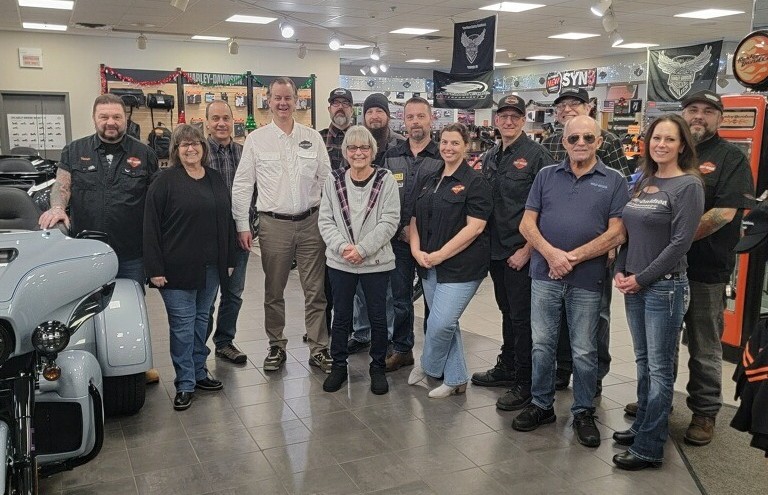
Gatto adds that Starrs has been actively calling and visiting dealers, even stopping by his Pittsburgh store last November. Even before taking over the reins of CEO, Starrs was at the NVP show in Milwaukee, talking to dealers and listening to their concerns.
Zeitz, on the other hand, cut off communications and didn’t go to dealer shows, Gatto says, adding that dealers “couldn’t get in the ear with the big boss, and I think that is an issue.”
Under the new leadership, tough decisions have already been made. Stars immediately put big incentives on the bikes that were overstocked, and reduced production of 2026 models.
“I am sure it ate into Harley-Davidson’s profitability, but this guy does what needs to be done. He isn’t focused solely on the value of the stock like Zeitz was.”
Starrs also started reducing payroll, which we’ve seen with the recent global layoffs Harley announced in late March. But big moves are decisions, Gatto says, that are necessary to right the ship.
“I don’t think you’ll find a dealer that’ll tell you that this reset doesn’t need to happen,” Gatto says. “The changes he’s making are painful, but they’re the right changes. I like his outside perspective because he’s not one of the good old boys.”