Polaris raises 2026 revenue outlook as utility sales, dealer health fuel Q2 growth
Polaris reported second-quarter revenue of $2.02 billion, up 9% year over year, as strong demand for utility side-by-sides, commercial vehicles and aftermarket parts helped offset continued softness in recreational powersports.

The company also raised its full-year revenue guidance to $7.3 billion-$7.5 billion, up from its previous forecast of $7.15 billion-$7.3 billion, citing continued momentum across its powersports, marine and commercial businesses.
For dealers, Polaris’ second-quarter results pointed to improving retail performance and healthier inventory levels. North American retail sales increased 4%, while off-road vehicle (ORV) retail rose 5%, allowing Polaris to gain ORV market share for the fifth consecutive quarter. The company’s utility lineup remained the primary growth driver, with RANGER models leading the way.

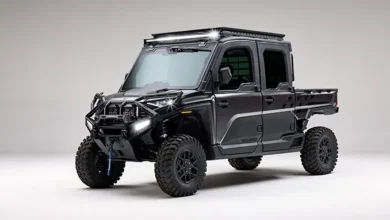
CEO Mike Speetzen said utility products now account for more than 70% of Polaris’ powersports business, with retail sales increasing more than 10%. The recently introduced RANGER 1000 cab models and the value-priced RANGER 500 helped Polaris achieve its highest utility side-by-side market share since 2021.
“Dealer relationships are strong and dealer inventory remains healthy,” Speetzen said during the company’s earnings call. “We’re beginning to see meaningful benefits from the work we’ve done to refine our portfolio, simplify our organization and strengthen our operational execution.”
Dealer inventory
The company said dealer inventory declined 8% from a year ago, while days’ supply remained slightly above 100 days—well below historical levels. Rather than shipping inventory indiscriminately, Polaris said it continues to align production closely with retail demand and tailor inventory levels to individual dealerships.

That strategy has improved dealer sales velocity by 18% during the first half of the year, helping retailers reduce floorplan costs while maintaining healthier inventory levels.




“We’re putting our dealers in the best position for success, such that every dealer carries the right mix and the right number of units for their market,” Speetzen said.

Polaris also highlighted continued growth in its commercial vehicle business, driven by infrastructure, rental fleet and data center construction projects. Executives said the company is investing in commercial dealer support and parts availability to capitalize on what they see as a long-term growth opportunity.
Looking ahead

Polaris expects retail demand to remain relatively flat during the second half of 2026, with utility vehicles continuing to outperform while recreational products remain challenged by higher interest rates and cautious consumer spending. The company plans to unveil additional new products during its dealer meetings in August, with those models expected to begin arriving in dealerships later this year.