India-U.S. trade framework grants zero-duty access for premium Harley-Davidson bikes
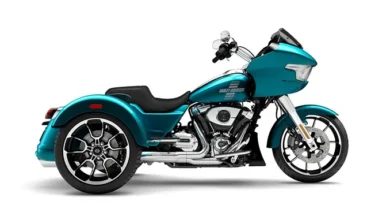
An interim trade framework between India and the United States will eliminate import duties on Harley-Davidson motorcycles, granting the American brand zero-duty access to India’s premium bike segment.

According to Reuters, India will remove tariffs on Harley-Davidson motorcycles as part of the agreement announced Feb. 7. The deal also reduces duties on certain high-end American cars, though electric vehicles are excluded from the pact.
Additional details reported by PTI and published by multiple Indian outlets state that zero-duty access will apply to U.S. motorcycles in the 800cc to 1,600cc segment and above, with the tariff elimination taking effect on the day the agreement is implemented.
The first phase of the bilateral trade agreement is expected to be signed by mid-March.
Harley-Davidson has long been at the center of trade discussions between the two countries. U.S. President Donald Trump previously criticized India’s high import duties on Harley motorcycles, arguing they restricted the company’s ability to compete in the market.
India had reduced import duties on motorcycles up to 1,600cc from 50% to 40% last year, but the new framework goes further by fully eliminating duties for qualifying U.S. bikes.

While India’s premium motorcycle segment remains relatively small compared to its mass-market two-wheeler category (i.e., sub-500cc), Harley-Davidson is one of the most recognizable foreign brands operating in the space. Since 2020, Harley has partnered with Hero MotoCorp for the Indian market. Under the agreement, Hero develops and sells select Harley-Davidson motorcycles domestically and manages distribution of parts, accessories and merchandise through a combined dealer network.
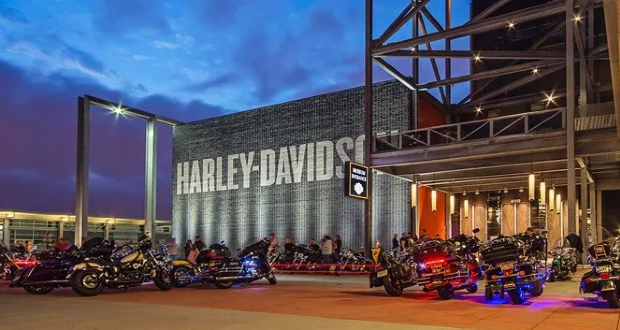


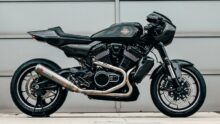
For Harley-Davidson and its dealer partners, the zero-duty access could improve price competitiveness in India’s premium segment and potentially expand opportunities in one of the world’s fastest-growing vehicle markets.
Small segment, big buzz

India’s motorcycle market is huge — totaling tens of millions of units annually — but the premium 800cc+ segment remains very small:
- Between April and December 2025, combined sales in the 800cc–1,000cc, 1,000cc–1,600cc and above 1,600cc brackets totaled under 2,000 units in India, according to data from the Society of Indian Automobile Manufacturers (SIAM).
- In comparison, total motorcycle sales in India exceeded 96 million units over the same period across all engine sizes, reflecting how 800cc+ bikes represent an extremely niche slice of the overall market.
- Harley-Davidson itself sold just 97 imported 800cc–1,600cc motorcycles in that period.
Why it matters
- Tariff relief will lower retail prices for imported Harleys, improving competitiveness vs. deeply tariff-protected rivals.
- Growth potential remains niche because India’s broader motorcycle market is dominated by sub-500cc bikes — the bread-and-butter for most dealerships and OEM volume.
Key takeaway
While Zero-duty access is headline-worthy and may stimulate interest among premium buyers, Harley and its Indian dealers should not expect to see blockbuster volume gains in India’s very niche, high-capacity segment anytime soon.