Hire smarter: Avoid these common mistakes
By Jan Plessner
This article originally appeared in the December issue of Powersports Business.
In the powersports industry, a poor hire can quietly drain your business. Recruiting and onboarding the wrong person can cost your company hundreds of thousands of dollars over time. Lost productivity, lower morale, damaged customer relationships, delays in reaching growth or profit goals, and the expense of doing it all over again can add up quickly.

According to the U.S. Department of Labor, a bad hire is estimated to cost a company at least 30% of an employee’s first-year earnings, and the cost can be much higher for a misfire at the senior level. Most hiring failures result from either a flawed process or a breakdown in managerial behavior. The good news is that both areas can be improved. Here are some common hiring mistakes we see and how to avoid them.
Strategic strategies
The best results come from being selective and intentional, not reactive. Too many employers wing it, interviewing job-post applicants instead of proactively pursuing the right people.
Begin by determining your organization’s needs. Ask yourself: How can this new hire address our challenges? Ensure your job description highlights both the technical skills and interpersonal qualities necessary for success. Set clear, measurable goals and performance standards. A well-planned, strategic approach attracts better candidates and helps avoid wasting time or misalignment later.
Share your story
Every dealership has a story, and candidates want to hear it. Talk about your founder’s background, the company’s milestones, community involvement, and what makes your workplace unique.
As full-time recruiters, we spend a lot of time “marketing” each role to potential candidates. We highlight our client’s values, culture, and team success stories. Remember, top performers aren’t just looking for a paycheck; they want to be part of something they believe in.




Compensation transparency
A confusing pay plan can turn off candidates late in the process. Be prepared to discuss the pay structure, benefits package, and performance incentives early on.
If your pay plan is complex or layered, sharing historical data—including pre- and post-COVID years—and future projections can be helpful. When a candidate doesn’t see the full picture, offers may become less attractive, and the process can fall apart.
We don’t oversell the opportunity, nor do we undersell it. Transparency builds trust, and trust is key to long-term retention.
Response time maters
A well-thought-out plan results in faster, smoother hiring. Be prepared to act quickly when you find a qualified candidate. Delays in communication or decision-making are among the main reasons strong candidates lose interest.
Not as advertised
When expectations don’t match reality, both sides suffer. Maybe the role was not described properly, or the company’s culture was misrepresented. On the other hand, the new hire might not live up to performance standards.
Before speaking with candidates, we reverse-engineer the job description and our client’s preferences into interview questions. We frame questions based on the position requirements, not the current employee’s habits, and apply consistent scoring to identify strengths and gaps. A structured interview process significantly improves hiring accuracy.
Identify hurdles early
Even the best candidate can fall out if personal or logistical barriers aren’t discussed early. Don’t assume anything. It’s important to explore potential relocation challenges, family or school considerations, lease agreements, and regional differences such as cost of living and climate. The goal is to prevent surprises that could derail an otherwise perfect match.
We prepare a position overview that highlights our client’s location, the cost of living, and median home prices, and provide weather intel if they are unfamiliar with the region. We discuss what makes the area special, including ride routes, outdoor recreation, blue-ribbon schools, community events, and other lifestyle perks. Combining this with an accurate job description and a commitment to providing timely feedback will help you stand out from the competition.
Shortcuts are easy
Skipping essential steps, like in-person visits, reference checks, or background screening, can have serious consequences. Unstructured interviews, rushed decisions, or settling for an average candidate are costly and time-consuming mistakes.
Invite your finalist and their spouse, if applicable, to visit the dealership and the community. Include other department leaders in the interview process. Well-rounded feedback and a thorough evaluation process pay off later.
Metrics matter
Every high-performing professional should be able to demonstrate how they’ve “moved the needle.” Whether it’s revenue growth, margin improvement, expense control, or staff development, measurable impact reveals the real story.
We ask our candidates to document their “needle movers” before presenting them to clients. This practice separates achievers from participants and ensures you’re hiring someone who delivers results, not just effort.
Beyond the hire date
Don’t ease off the throttle. The first 90 days are critical. Schedule regular check-ins, offer coaching or leadership training, and recognize early wins. Continued communication strengthens engagement and helps solve small issues before they grow. When you invest in your new hire’s success, you’re also investing in your company’s long-term stability.
Final thoughts
Hiring combines art and science, often influenced by luck and timing. The most successful dealerships see talent acquisition as a strategic effort rather than an afterthought.
Ultimately, hiring smarter isn’t just about filling a role; it’s about fueling your organization’s growth with the right people, in the right positions, at the right time.
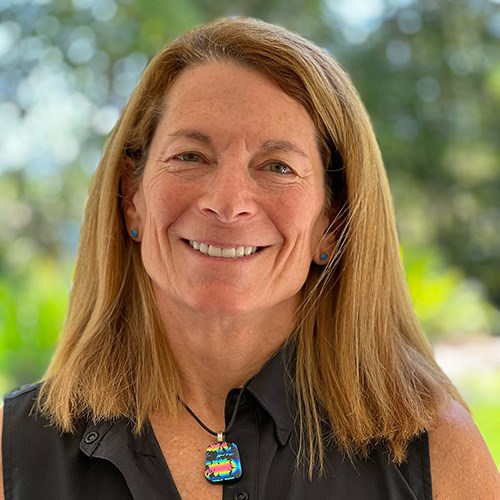
Jan Plessner is the founder and CEO of Action Recruiting. Her client roster includes small and large individual powersports and motorcycle dealerships, as well as large multilocation dealership groups and networks. The firm also caters to aftermarket companies, service and support-oriented agencies and select manufacturers from coast to coast.