2025 year in review: Powersports industry navigates change, consolidation, and seeks stability
The powersports industry spent much of 2025 adjusting to a rapidly shifting business environment marked by consolidation, dealer closures, financial scrutiny, and strategic resets by major manufacturers. From OEM boardrooms to dealership showrooms, the year underscored both the challenges facing the industry and the moves being made to position it for long-term stability.
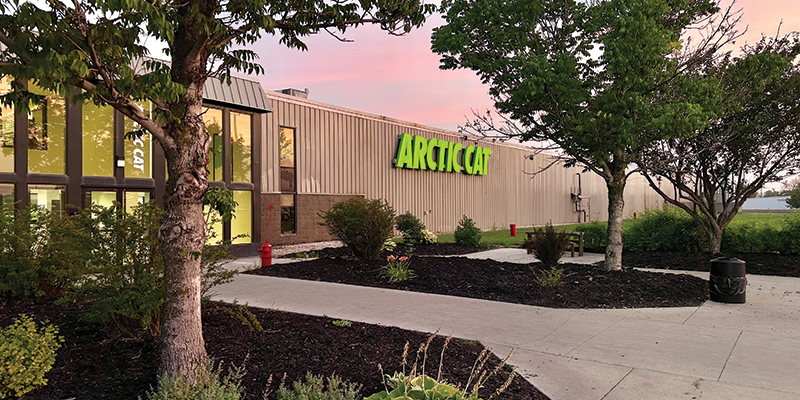
One of the most consequential developments of the year was the acquisition of Arctic Cat. Argo President Brad Darling, along with an investment group, purchased the brand from Textron, bringing clarity to Arctic Cat’s future after months of uncertainty. The transaction was widely viewed as a reset moment for the iconic snowmobile and off-road manufacturer and its dealer network.
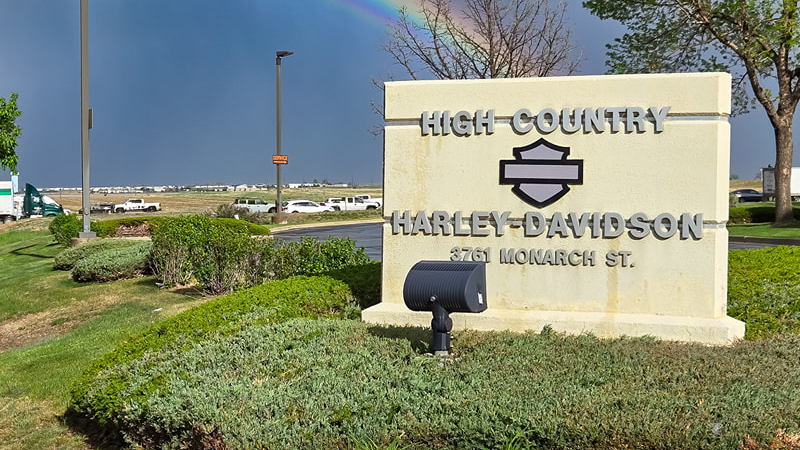
Dealer closures were a recurring theme throughout 2025, reflecting pressure from softer retail demand, higher operating costs and tighter financing conditions. In Colorado, High-Country Harley-Davidson closed after 25 years in business, while another Harley-Davidson dealer in Missouri also announced its closure, adding to a growing list of longtime retailers exiting the market.
At the corporate level, Harley-Davidson faced a pivotal year as it navigated shareholder pressure and internal debate over its long-term strategy. Despite public tension with activist investors, shareholders ultimately approved the company’s strategic direction, signaling support for management’s plan. Financial restructuring discussions also made headlines, as Bloomberg reported the company was evaluating options for Harley-Davidson Financial Services.
Marine market
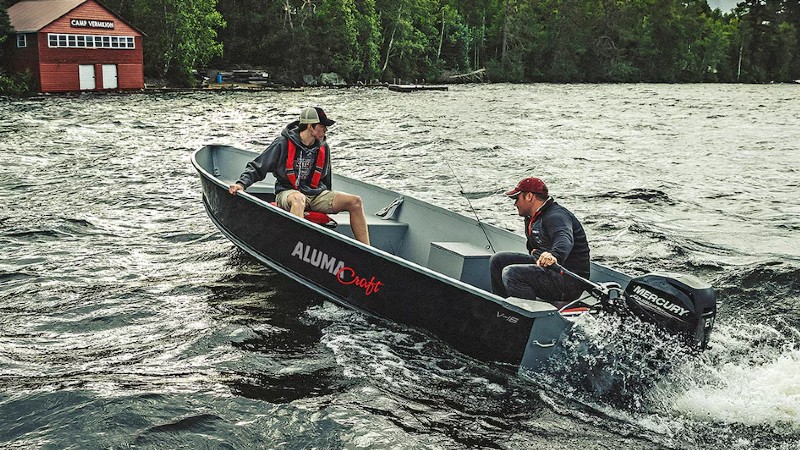
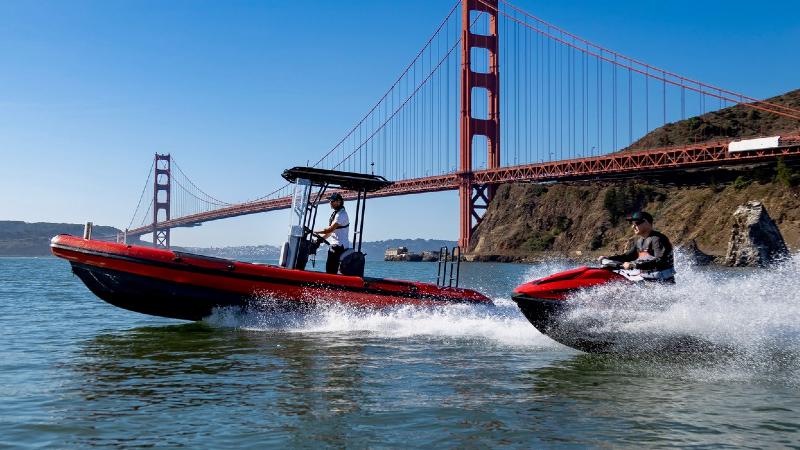
Manufacturers continued to sharpen their focus in 2025. BRP advanced its exit from the marine segment with the sale of Alumacraft, reinforcing its commitment to core powersports brands. The move was part of a broader strategy to streamline operations and improve margins amid changing market conditions.
Product development
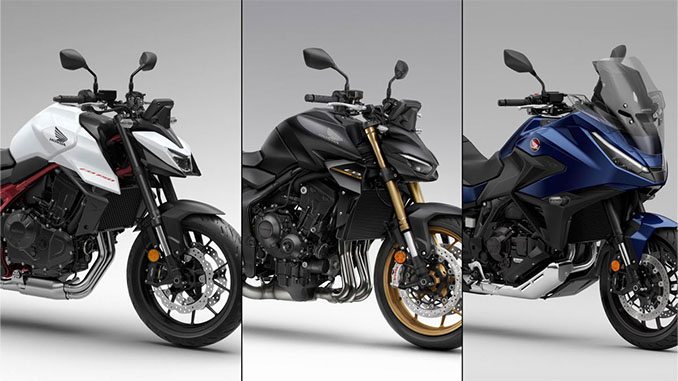
Product development remained a bright spot, with Honda announcing that several popular motorcycle models would make their U.S. debut, giving dealers new tools to generate showroom traffic heading into future riding seasons.
Retail consolidation
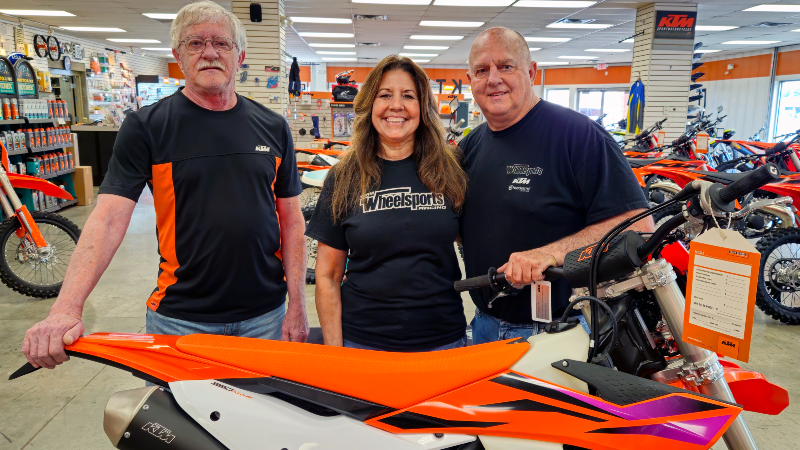
Retail consolidation continued alongside closures. In Ohio, Wheelsports closed after 48 years in business, with its KTM and Husqvarna franchises transferred to another dealer, ensuring continued brand representation in the market. Meanwhile, dealer groups pursued growth opportunities, highlighted by the acquisition of Windy City Motorcycle Company by the Legendary Harley-Davidson Dealer Group.


Electric market
The electric powersports segment attempted a reset of its own, as one manufacturer reemerged with a revised strategy following earlier setbacks, reflecting both the ongoing challenges and long-term interest in electrification.
Market pressure

Financial pressure remained a constant backdrop in 2025. Reports that banks were seeking additional collateral tied to KTM-related loans highlighted a more cautious lending environment and reinforced the importance of strong balance sheets for both OEMs and dealers. This situation was ultimately resolved as KTM partner Bajaj stepped up to save the company from drowning in debt.
Motorcycle events
Even amid economic uncertainty, the industry continued to rally around its cultural cornerstones. Organizers of the 85th Sturgis Motorcycle Rally announced plans to make the 2025 event the largest yet, signaling optimism and underscoring the enduring strength of the riding community. The event saw record attendance and one dealer even sold a record number of bikes during the rally.
As 2025 comes to a close, the powersports industry stands at a crossroads. The year revealed significant challenges but also clear signs of adaptation — with manufacturers refocusing, dealers consolidating, and the broader industry searching for a more sustainable path forward.
From our team at PSB to yours: Happy holidays, and see you in January 2026!