Sheffield: The transparency problem powersports can’t ignore
By Mark Sheffield
This article originally appeared in the July issue of Powersports Business.
The powersports industry has a transparency and perception problem, and it is called freight and setup.
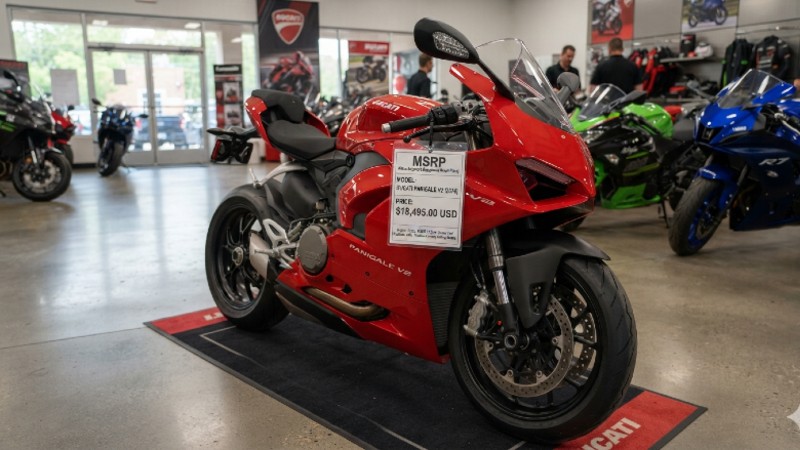
Consumers see one price online, then show up at the dealership and are presented with another. The dealer then gets put in the worst possible position: explaining charges the customer did not expect, defending fees the dealer did not create, and trying to save trust in the middle of a transaction that should have been exciting.
That is not a good customer experience. It is not good for dealers. And frankly, it is not good for the OEMs either.
This is not a new problem. Dealers have been talking about freight and setup for years. The difference now is that the conversation has changed. This is no longer just about whether a customer gets irritated at the sales desk. This is now about transparency, compliance, advertising risk, and the long-term credibility of our retail model.

The automotive industry figured this out a long time ago. Destination is part of the pricing structure. The manufacturer and the dealer are generally speaking the same language to the customer. That does not mean every automotive transaction is perfect, but the basic advertised pricing framework is far more aligned than what we have in powersports.
In powersports, we have allowed a fractured system to continue for too long. The OEM publishes an MSRP that does not include freight. The dealer is charged freight. The vehicle requires setup, assembly, inspection, and preparation before it is ready for the customer. Then the dealer is left to recover those costs at retail, often as separate line items that the consumer sees as dealer-created add-ons.

That is the heart of the problem.
The customer does not care who created the charge. They do not care whether it came from the manufacturer, the carrier, the crate, the setup process, or the technician who had to assemble and inspect the unit before delivery. All they know is that they saw one price and then got shown another.
And when that happens, the dealer takes the hit.
The NPDA has released a white paper calling for a better, cleaner, more transparent model. The proposal is simple: OEMs should include freight or destination in the published MSRP, and they should create a formal reimbursement structure for required dealer setup. That could be handled through wholesale pricing, reimbursement, or another clear structure. The exact mechanism can be worked out. The principle should not be controversial.
And to be very clear, this cannot come at the expense of dealer margin. Dealer margins are already under increasing pressure, and any proposal that simply keeps MSRPs close to current levels while forcing dealers to absorb freight and setup costs is not a solution. It is just moving the problem from the customer’s invoice to the dealer’s financial statement, and that is not acceptable.
Mandatory costs should not be hidden downstream.
If a cost is required to get the vehicle from the factory to the dealership and make it ready for the customer, then it needs to be reflected in the pricing architecture upstream. Dealers should not be forced to either advertise a higher all-in price that looks uncompetitive against the OEM’s own website or advertise the OEM’s MSRP and then risk looking like the bad guy when the real transaction price is explained.
That is an impossible position, and it is one dealers did not create. However, this is one of those rare issues where, with the NPDA’s proposed solution, everyone can win.
Customers win because they get a cleaner, more honest buying experience. They can compare products more accurately. They can shop with confidence. They are less likely to feel blindsided when they walk into the dealership.
Dealers win because they stop being forced to defend a broken pricing structure. They can focus on selling the value of the product, the dealership, the service department, the ownership experience, and the relationship instead of starting the transaction with an explanation that sounds like an apology.
OEMs win because the brand experience improves. The customer’s first real interaction with the product is not clouded by frustration over pricing confusion. Trust goes up, and the conflict goes down. The retail channel gets stronger.
This is not about dealers trying to avoid accountability. Quite the opposite. Dealers are the ones on the front lines every day. Dealers are the ones having the conversations with customers. Dealers are the ones who answer the phones, handle the complaints, and try to make the transaction work when the advertised price and the real-world price do not match.
That is why this needs to change.
We are making a strong push to have these changes in place for the 2027 model year. That gives the OEMs time to adjust pricing, systems, websites, dealer communications, and internal structures. It is reasonable. It is achievable. But it will not happen unless dealers make their voices heard.
That means every dealer needs to support this initiative.
Call your reps. Email your reps. Text your reps. Bring it up during dealer meetings. Bring it up during 20 Groups. Bring it up at product shows. Bring it up every time you have the opportunity.
Do not assume someone else is handling it.
For decades, powersports dealers have struggled to find alignment on the issues that matter. That lack of organization has cost us. It has allowed too many decisions to be made upstream while the consequences landed downstream. But that is changing. The NPDA exists because dealers need a unified voice, and this is exactly the kind of issue where that voice matters.
We also need to be honest about one more thing: if we do not get in front of this ourselves, there is a good chance regulators will.


This process is flawed. Customers can deal with freight charges, they are often published by the manufacturer. The exorbitant mark up comes in the prep and set up. Dealers are reimbursed by manufacturers for this. The markup on this by the dealers can often drive up the price astronomically, and turn off the customer. You can go to different dealers and get different pricing on prep and set up. The Auto industry has figured this out somewhat.