Lessons from auto dealers: processes, response times, ‘invisible’ opportunities
At first glance, a motorcycle dealership can look a lot like a car dealership. Both have a showroom, sales desks, a service department, and a parts counter. But according to Fran O’Hagan, founder and CEO of Pied Piper Management Company, the similarities end there.
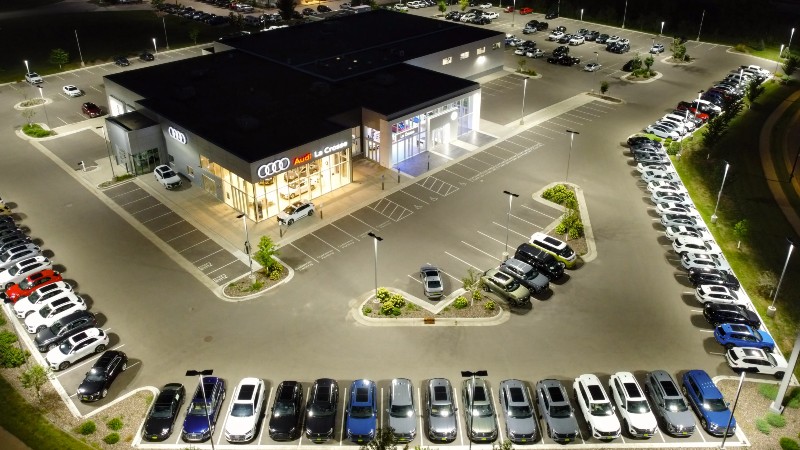
“The temptation is to say, ‘Cars and motorcycles are both motor vehicles, so we should run the stores the same way,’” O’Hagan says. “But the cultures, customer expectations, and even the reasons people buy are very different.”
That difference can be a competitive advantage for powersports dealers — if they embrace it while also adopting certain high-performing processes from the auto industry.
The Enthusiast Factor
One of the most visible differences between auto and powersports dealerships is the sales staff. In the car business, salespeople are often career professionals, motivated by earnings and driven by monthly quotas. In powersports, many salespeople are enthusiasts first.
“They got the job because they love motorcycles, ATVs, or side-by-sides, not necessarily because they wanted to be in sales,” O’Hagan explains. “That passion is a great asset — customers feel it — but it also means you can’t just assume they know how to consistently sell.”
The solution? O’Hagan says powersports dealers need simple, repeatable processes that any staff member can follow, regardless of experience.
“Think of Starbucks,” he says. “Your coffee is the same whether the person behind the counter has been there three days or three years. That’s not by accident — it’s because they have a system.”


Cameron O’Hagan, Fran’s son and Pied Piper’s VP of operations, adds: “In powersports, a strong process makes the difference between one salesperson getting lucky and the whole team hitting consistent numbers.”
Process Over Personality
The motorcycle industry sometimes worries about turnover. O’Hagan’s take? It’s not a bad thing if your systems are strong.
“If you’re dependent on one rockstar salesperson, you’re in trouble when they leave,” he says. “Instead, make sure anyone with the right attitude can succeed by following the same process every time.”
That process should start the moment a customer walks in. Every guest should be greeted promptly, engaged in conversation, and asked the right qualifying questions. “Skipping steps is what kills sales,” O’Hagan warns. “Auto dealers have known this for decades.”
The “invisible” side of sales
Many of the highest ROI opportunities in powersports aren’t what customers see on the sales floor — they’re what happens when the customer isn’t in the store at all.
“Web leads, phone calls, service inquiries… this is where the money is won or lost,” O’Hagan says.
Pied Piper measures this through its Prospect Satisfaction Index (PSI) and Internet Lead Effectiveness (ILE) studies. In the auto industry, the best practice for responding to an internet lead is within 15 minutes via all channels: phone, email, and text.
“In powersports, a lot of dealers still check leads once a day, if that,” Cameron says. “Even moving from once-a-day to twice-a-day responses can increase closing rates.”
The data backs that up. Dealers scoring over 80 on Pied Piper’s ILE scale sell 50% more units to the same number of leads compared to those scoring under 40.
“That’s not because they have better prices,” Fran explains. “It’s because they’re the first to respond, and they do it professionally.”
Customer-centric service department
The service experience is another area where powersports can take a cue from auto retail.
In Pied Piper’s 2025 service mystery shopping study, 90% of auto dealers offered a specific appointment time when asked. In powersports? Just 52%.
“When you tell a customer, ‘Just bring it in,’ what you’re really saying is, ‘You might be without your machine for weeks.’ And in powersports, a week without a bike in summer is like a month without heat in winter.” — Fran O’Hagan
Cameron recommends always offering a specific appointment date — even if it’s two weeks away. Customers can still drop off early if they want, but they’ll appreciate having a set expectation.
That level of scheduling also improves shop efficiency. “In auto, they know what’s coming in every day,” Cameron says. “In powersports, it’s often chaos.”
After-sales mindset
One of the biggest differences in how auto dealers think? Their focus on keeping customers in the service lane years after the sale.
“In auto, once a customer starts going to an independent shop, the odds of getting them back are almost zero,” Fran says. “So they fight to keep them.”
This is an area powersports dealers often neglect, especially with customers 4 to 6 years into ownership. But the opportunities are there — maintenance, upgrades, accessories, even trade-ins.
“With a good CRM, you can reach out at the right times with the right offers,” Cameron says. “If you sold someone a bike four years ago, you should know when they’re due for tires, when their warranty is ending, or when a new model they might like is launching.”
Technology and AI
The automotive sector is investing heavily in AI for lead management, chatbots, and even service scheduling. While these tools can deliver consistent scripts and upsell prompts, they’re not perfect.
“AI still struggles when the customer has a unique situation,” Fran notes. “If you don’t have a smooth handoff to a human, you’re going to frustrate people.”
Cameron adds: “The best use right now is for consistency — making sure every lead gets a fast, professional response. But you still need humans to build trust.”
Key takeaways for dealers
- Build simple, consistent sales processes that anyone can follow.
- Respond to leads quickly — phone, email, and text.
- Treat web leads like walk-ins.
- Offer service to customers at specific appointment times.
- Use CRM tools to keep after-sales customers engaged.
- Use AI for consistency, but keep humans for relationship-building.
“In powersports, every lead matters,” Fran says. “The dealers who nail their processes — visible and invisible — are the ones who will win.”