The e-moto craze: blessing or curse?
By Jan Plessner
This article originally appeared in the July edition of Powersports Magazine.
I’ve spent more than 30 years in this industry watching it navigate crises that threatened to define it. The three-wheeled ATV ban. The personal watercraft wars. I was on the front lines of the PWC fight.
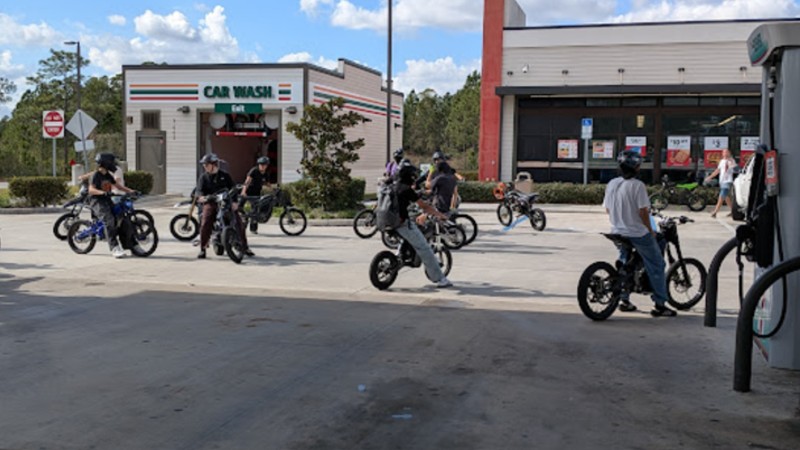
What’s happening today with the e-moto craze feels familiar and that’s exactly what worries me.
When I joined Kawasaki, the median age of the U.S. motorcycle owner was 32. The MIC puts it north of 50 today. Ownership among 18- to 24-year-olds has collapsed from 16% to 6%.
The kids who should be our next generation of customers are out there right now, doing wheelies, riding e-moto bikes illegally on busy streets, oblivious to the rules of the road, and heading toward the same cliff we’ve seen before.
To make sure I had my facts straight, I sat down with my first (and favorite) Kawasaki boss, Roger Hagie, a 40-year KMC government relations pro.
Three-wheeled ATVs
The CPSC became aware of a growing number of injuries among inexperienced riders who did not understand these vehicles’ characteristics.



Before the CPSC banned the manufacture and distribution of new consumer-grade three-wheel ATVs in the U.S., the OEMs were already designing age-appropriate model standards and had begun manufacturing four-wheeled vehicles.
Honda, Kawasaki, Yamaha, Suzuki, Polaris, and Can-Am collectively established mandatory dealer guidelines and implemented cancellation clauses for noncompliance. The consent decree took effect in 1987, following the CPSC’s findings of irresponsible rider behavior: impaired operation, failure to wear protective gear, and allowing young riders to operate machines intended for adults.
The lessons learned were painful, but our industry-funded programs that offered incentivized, hands-on rider training for our customers (and their age-appropriate family members) worked.
Second rodeo
PWC enthusiasts, mostly new to boating, were causing havoc on the water. They didn’t realize they were operating a vessel and were unfamiliar with basic waterway rules and other important boating practices, such as launch ramp etiquette.
Most importantly, our customers, who loved their zippy two-stroke “motorcycles on water,” weren’t winning popularity contests within the broader boating community.
With the ATV crisis still fresh, I was hired by Kawasaki corporate to help turn the tide against what was becoming a widespread movement to restrict PWC. I had purchased my two stand-up Kawasaki watercraft a few years earlier, and I was excited to fight the good fight.
Similar but different
Compared with today’s e-moto situation, PWC manufacturers collaborated to address rider behavior issues using a variety of effective tactics. This was pre-internet; back then, we didn’t have social media influencers with millions of followers. But stories, complaints, and worst-case scenarios were beginning to surface in the news (print and TV) across the country at a concerning pace.
It may have started as a slow-and-steady roll, but once concerned citizens, regulators, and legislators began seeking solutions, we became very active in promoting our own model legislation. We pushed hard to reinforce that PWC were boats, so the same Rules of the Water would apply to everyone. Predictable navigation on the water was key to staying out of harm’s way.
We partnered with state boating law administrators to create effective educational tools.
We launched a highly successful law enforcement loan program and supported programs that trained water rescue professionals to use PWC to save lives during floods, in swift water, and along coasts.
It worked. Most importantly, our efforts helped bring PWCs and their users into, perhaps grudging, acceptance with the boating community.
Snowboarding
The scourge of the mountain — cutting off skiers, ignoring etiquette, with little to no training. The solution wasn’t a ban. It was terrain parks: a dedicated space where risk-takers could push limits without endangering others. Now those parks are standard at every major resort. Without snowboarders, where would the aging ski industry be today?
The upside
Motorcycle sales have been cycling downward. The baby boomer base is aging out. Traditional OEMs are watching their core customer demographic shrink. And yet, right now, tens of thousands of kids, maybe hundreds of thousands, are falling in love with two wheels and the freedom of motorized mobility.
The PWC wasn’t planned as a gateway to boating. It became one.
This time, we can be intentional. Kids on illegal e-moto bikes zipping through our communities are our future customers. If we figure out how to guide them through this phase rather than dismiss or ignore it, it could be a massive shot in the arm for the next generation of riders. But the current trajectory is not heading toward a soft landing. That’s the conversation we need to start — and we will, in the columns ahead.