Yamaha and John Deere team up on future side-by-sides
Yamaha Motor and John Deere are teaming up to develop future side-by-side vehicles, creating a new relationship between two major off-highway equipment manufacturers that could have significant implications for the utility SxS market.
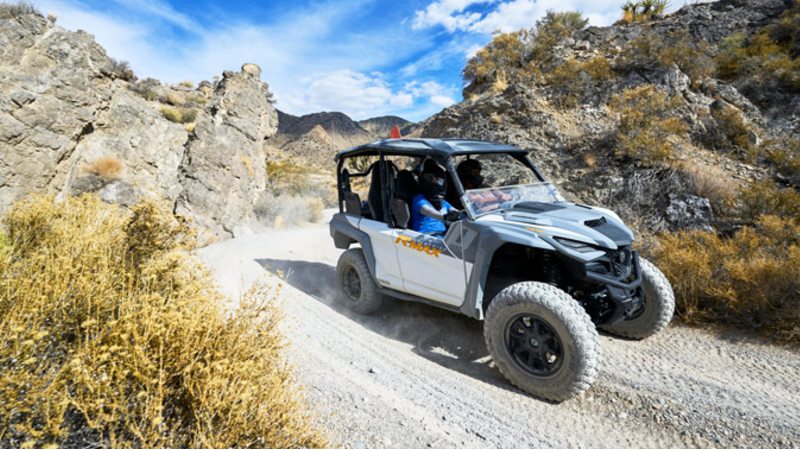
The companies announced Oct. 6 that they have entered into an agreement covering the joint development and mutual supply of recreational off-highway vehicles (ROVs). Yamaha will contribute its powertrain and vehicle design expertise, while John Deere brings vehicle development capabilities, U.S. manufacturing expertise and customer insights.
For powersports dealers, the announcement could eventually mean new products entering the side-by-side market under one or both companies’ existing brands and dealer networks. Specific future products, launch timing, and production details have not yet been announced.
“We are excited about this relationship and the opportunities it creates for Yamaha, John Deere, our dealers, and most importantly, our customers,” says Dean Burnett, president of Yamaha Motorsports USA. “Together, two trusted global brands can accelerate innovation and bring greater value to the market.”
Jon Chase, vice president of John Deere’s Turf and Compact Utility Business Unit, said the companies share a commitment to quality, innovation and strong dealer networks.
“This collaboration will enable us to develop differentiated products that excite customers and create meaningful value,” Chase adds.
A focus on utility SxS
The companies said the effort will target the growing utility segment of the ROV market, where customers increasingly are looking for a combination of comfort and work capability. That focus puts the relationship squarely in one of the most competitive areas of the SxS business, where manufacturers target customers who use vehicles for both recreation and work.

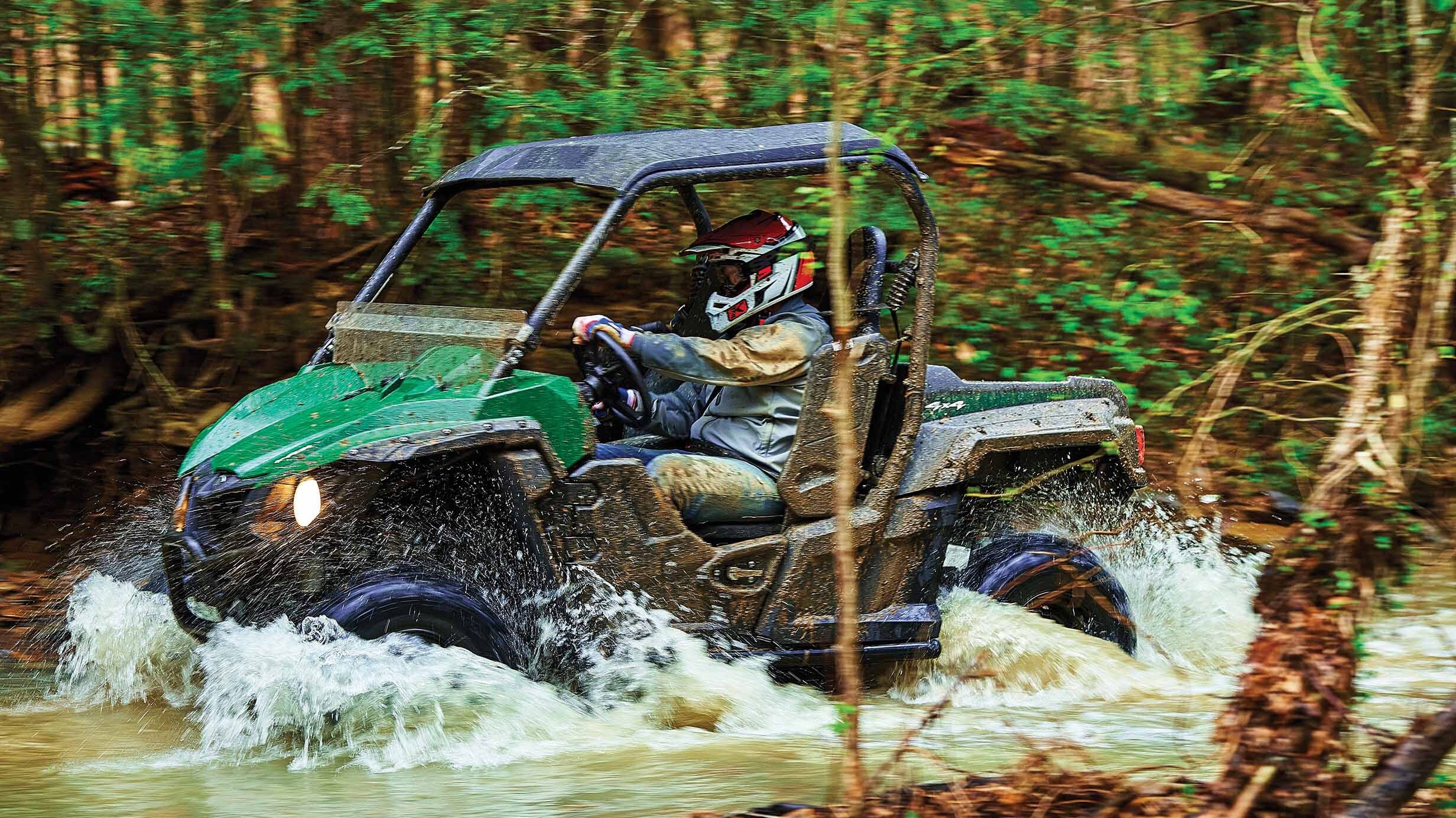
Yamaha and John Deere said they intend to address a broader range of customer needs while expanding their respective market opportunities. The agreement builds on an existing relationship between the companies in the low-speed mobility (LSM) business.
Separate brands, dealer networks
Both companies emphasized that they will retain their respective brands, dealer networks, sales channels and customer relationships.

That means the announcement does not indicate that Yamaha dealers will begin selling John Deere products, that John Deere dealers will begin selling Yamaha products, or that either company’s existing SxS lineup will be replaced. Instead, each company is expected to continue operating through its established commercial network as future products emerge from the agreement.
For powersports dealers, the eventual impact will depend largely on what those products look like, where they are manufactured and how they are positioned within each brand’s lineup.
What each company brings
Yamaha brings extensive experience developing powersports vehicles and powertrains, including its Viking, Wolverine and other SxS platforms. The company operates a nationwide U.S. dealer network serving the motorcycle, ATV, side-by-side and personal watercraft markets.
John Deere brings experience in agricultural, construction, turf and utility equipment, along with vehicle development and U.S. manufacturing capabilities. Its dealer network gives the company significant reach among customers who use utility vehicles for agricultural, property-maintenance and work applications.
The two companies therefore bring complementary expertise and customer bases to the project. For Yamaha, John Deere offers additional insight into work-oriented applications and customers. For John Deere, Yamaha provides established powersports vehicle and powertrain expertise.
Manufacturing could be a key element
The companies specifically highlighted John Deere’s U.S. manufacturing capabilities as part of the agreement. Neither company disclosed where future products will be manufactured (although Yamaha recently announced it was ending its in-house SxS production in Newnan, Georgia) or whether existing Yamaha or John Deere facilities will be used.
They also did not disclose whether the companies will engineer complete vehicles together, supply individual components to one another, or use a combination of approaches. Yamaha’s announcement described the agreement as covering “joint development and mutual supply initiatives” in the ROV segment, suggesting the relationship could extend beyond a single vehicle.
What it means for dealers
The announcement comes as the utility side-by-side market remains a major battleground among powersports manufacturers, with customers increasingly using SxS vehicles for both recreational and work applications.
The Yamaha-John Deere deal could eventually bring new products aimed directly at that crossover, potentially giving each company additional ways to compete in the utility market. The immediate impact on dealership floors, however, is limited because no specific vehicles have been announced.
Both companies said additional details about future products will be announced at the appropriate time.