
U.S.-Canada trade war escalates, creating new pressure for motorcycle industry
The escalating U.S.-Canada trade dispute is creating another layer of uncertainty for motorcycle manufacturers, distributors and dealers, with both countries imposing or threatening significant tariffs on motorcycles and other powersports-related products.
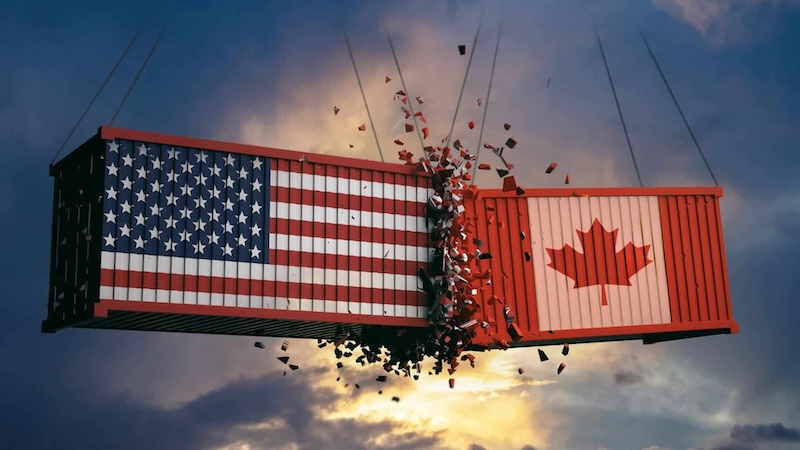
Canada implemented a new 50% counter-tariff Sept. 8 on U.S.-origin motorcycles with engine displacements greater than 800cc. Moto Canada, which represents manufacturers and distributors of motorcycles, ATVs and side-by-sides sold in Canada, warned that the measure could put additional pressure on Canadian powersports businesses and consumers.
The latest Canadian tariff increases the duty on affected motorcycles from the 25% counter-tariff already in place. Moto Canada said the tariff could have unintended consequences for Canadian dealerships and distributors, many of which are small and medium-sized businesses. The organization said the Canadian powersports industry supports approximately 900 dealerships and more than 88,000 jobs nationwide.
“Moto Canada recognizes and supports the Government of Canada’s responsibility to defend Canadian economic interests and respond to ongoing trade challenges,” said Moto Canada President and CEO Landon French in a recent statement. “At the same time, Moto Canada is concerned that applying a 50% tariff to motorcycles may have unintended consequences for Canadian businesses, employees, and consumers in the industry.”
Moto Canada has called on the Canadian government to remove U.S.-origin motorcycles from the counter-tariff list. If the tariff remains in place, the organization is asking for a clear remission process covering motorcycles that have already been ordered, purchased, or are in transit.
U.S. tariffs add to uncertainty
The Canadian action follows the United States’ own escalation of tariffs on Canadian products. According to reporting by The Associated Press, the U.S. imposed 50% tariffs Aug. 22 on about 5% of Canadian imports after trade negotiations between the two countries broke down. The tariff action includes certain motorcycles with engine displacements above 800cc, as well as other products.
The AP subsequently reported that the White House announced Sept. 8 that the United States would prohibit imports of certain Canadian products, including some motorcycles and mopeds, beginning Sept. 29. The announcement came as Canada imposed tariffs on approximately $20 billion worth of U.S. imports.




The result is a rapidly changing trade environment in which motorcycles moving in either direction across the border can face significantly higher costs or, in some cases, restrictions on market access.
For manufacturers and distributors, tariffs can increase the landed cost of products entering a country. Those additional costs may ultimately be absorbed by manufacturers or distributors, passed through to dealers and consumers, or divided among the various parties in the supply chain.
For dealers, the uncertainty can complicate inventory planning, pricing and ordering decisions, particularly for higher-displacement motorcycles affected by the tariffs.
Industry groups monitoring developments
The Motorcycle Industry Council said its Government Relations team continues to monitor federal trade actions and their potential impact on the motorcycle industry.
The MIC has encouraged member companies to review the applicable tariff lists and their own sourcing and supply chains to determine whether individual products are affected. Businesses trying to determine the tariff treatment of specific products should consult trade counsel as appropriate, according to the organization.
The situation also illustrates the importance of understanding how individual products are classified under the Harmonized Tariff Schedule (HTS). U.S. Customs and Border Protection has published guidance and the applicable HTS codes for products covered by the new U.S. duties, according to information provided by MIC.
Meanwhile, Canada’s latest retaliatory tariff list covers 874 U.S. products, with rates ranging from 15% to 50%.
Motorcycles above 800cc are among the products subject to the 50% rate. The immediate concern for the motorcycle industry is less about a single tariff rate than the uncertainty created by rapidly changing trade policy. Dealers and distributors on both sides of the border now have to account for potential changes in product costs, availability and cross-border sourcing as negotiations between the two countries continue.
As of Sept. 8, there was no clear indication that the broader trade dispute was close to resolution. The AP reported that U.S. and Canadian trade representatives remain in contact, although neither side appears eager to move quickly back to formal negotiations.
That leaves powersports dealers and consumers stuck in the middle heading into the fall selling season — particularly for dealers carrying higher-displacement motorcycles and products sourced across the U.S.-Canada border.