Building a great territory: Q&A with industry veteran Ken Cook
By Melissa Coffey
This article originally appeared in the November issue of Powersports Business.
Every executive who has built a company from the ground up knows the truth: a brand is only as strong as the people who carry it into the market. When I was at Volcon, I had the privilege of assembling what I still call my Dream Sales Team, and Ken Cook was one of our superstars.
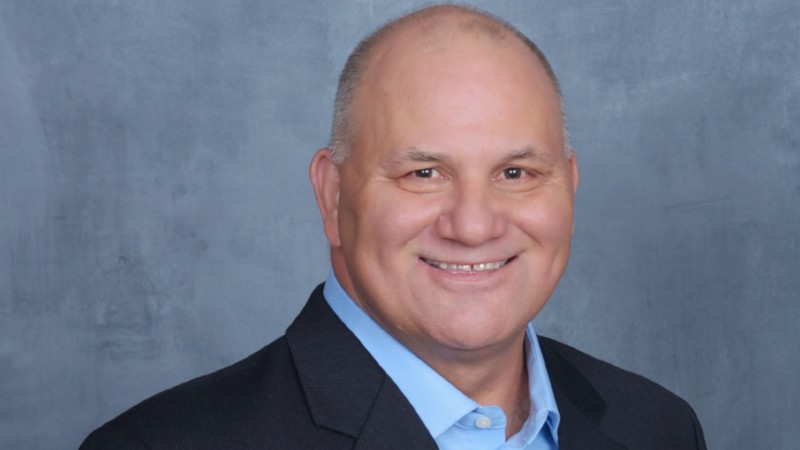
As our regional sales manager for the Southeast, Ken signed 53 Tier 1 powersports dealers in just 12 months. For a startup OEM with a brand-new product and no dealer network to speak of, that wasn’t just impressive. It was the kind of result that changes the trajectory of a company. And it wasn’t a one-time feat. Ken did it before with Mahindra, and he’s doing it again today at Denago Powersports.
So what’s his secret sauce? This month, I sat down with Ken to find out. We talked about what it really takes to build a territory from scratch, why the Southeast is its own animal, how a challenger brand earns floor space one unit at a time, and what dealers need from their reps today that they didn’t need ten years ago. Ken also had some candid feedback for OEM executives, straight from the dealer floor.
I’m proud to profile him this month. If you’re an OEM, a dealer, or a rep trying to build something that lasts, you’ll want to hear what he has to say.
Who is Ken Cook?
Q: You’ve spent a big part of your career on the road with dealers. How did you get into powersports, and what kept you in the rep role rather than moving off the road?
A: I started my career in operations with Reynolds Metals and Alcoa, which gave me a strong foundation in manufacturing, operations, and business.

After that, I started my own business and spent 15 years overseas, working in importing and developing international supplier relationships. I initially partnered with a Chinese pontoon manufacturer, which gave me extensive experience working across cultures, managing relationships, and navigating the complexities of international business.
Over time, I realized that I genuinely enjoy representative and on-the-road sales. I like meeting people, building relationships, understanding their needs, and developing business face-to-face.
My children are all grown now, so I’m also at a point in my life where frequent travel is much easier. I no longer have the same concerns about being away from home and missing their childhood, which makes an on-the-road sales role particularly appealing to me.
Q: What does a regional sales manager actually do on a given week that most people in the industry don’t see?
A: When you build a dealer network from the ground up, the role evolves significantly over the first several years.
During the first six months, roughly 95% of your time is focused on dealer development — identifying prospects, establishing relationships, getting dealers onboard, and building the foundation for the territory.
By the end of the first year, the balance typically shifts to about 50% dealer development and 50% account management. You’re still bringing new dealers into the network, but you’re also spending more time supporting the dealers you’ve established.
By the second year, I would expect the mix to be closer to 75% account management and 25% dealer development. At that point, you have an established dealer base that requires regular attention, while you continue to strategically expand the network.
After the third year, the territory should be approximately 90% account management and 10% dealer development. One of the indicators that the territory is developing properly is when Tier One powersports dealers begin reaching out and asking for meetings. That tells me the rep and the OEM are executing the right processes, building market awareness, and creating demand within the dealer network.
At that stage, the job becomes much more about relationship management and problem solving. A significant portion of the day can be spent on calls and emails with dealers—working through inventory, orders, warranty issues, product questions, sales opportunities, and whatever challenges come up.
The goal isn’t simply to build a large dealer network. It’s to build a healthy network of dealers that are engaged, supported, profitable, and growing with the OEM.
Building territories in the Southeast
Q: The Southeast is one of the most competitive powersports markets in the country. What makes it different from other regions, whether that’s buyer behavior, dealer culture, or use cases?
A: The powersports industry is ultimately about outdoor recreation and the lifestyle that comes with it. UTVs and ATVs have become a major part of that lifestyle, particularly in the Southeast, where there is a strong and established culture around recreational riding.
Southern consumers have a real passion for UTVs, and the Southeast has an extensive network of mud parks, trail systems, riding destinations, and family-friendly recreational areas. That creates a strong environment for dealers to sell not only the vehicle, but the entire recreational experience that comes with it.
For a dealer, that translates into more opportunities to sell units, accessories, parts, and service. For the OEM, a strong recreational market creates greater brand exposure, more dealer activity, and ultimately more opportunities for sustained growth.
Understanding that regional culture is important when developing a dealer network. You’re not simply selling a product—you’re selling into a lifestyle that already has a passionate and active customer base.
Q: When you inherit an underperforming territory, what are the first three things you do?
A: Evaluate, Mentor, and Train—that’s an important part of managing a dealer network, particularly with a startup or emerging OEM.
When taking over an existing territory, one of the first things I want to understand is how the previous rep actually managed the dealerships. Did they consistently visit and call on dealers, develop relationships, and create opportunities, or were they simply waiting for the phone to ring and an order to come in?
With a startup or newer company, that distinction is especially important. You may be responsible for seven or eight states, and building that territory requires a tremendous amount of windshield time. You have to be willing to travel, get in front of dealers, introduce the brand, develop relationships, train dealership personnel, and continually follow up.
Not every sales representative is suited for that environment. Startup sales can demand significantly more travel, persistence, and self-direction than managing an established territory. You have to be comfortable spending a lot of time on the road and understand that building a market doesn’t happen by waiting for orders to arrive.
Q: What separates a dealer who becomes a long-term growth partner from one who just takes a stocking order?
A: It’s very common with start-ups that some dealers are only interested in certain models. Denago Powersport actually welcomes this because as you sell through the first initial order, we know you’ll be open to other models that you were a little wary of at the beginning. I’ve had dealers start off with 10 units for their initial order and now I’m receiving 100-unit orders from them.
Q: How do you earn floor space and attention for a brand that isn’t the biggest name in the showroom?
A: Literally, one unit at a time. Quick turns, high margins, issues that are resolved, parts availability and service. This is what we’re doing at Denago
Lessons from launching new brands
Q: What’s the most common mistake OEMs make when they try to recruit dealers?
A: Not being prepared, Lack of product, they don’t understand powersport partnerships, parts, service, admin issues, refuse to launch a dealer portal, lack of marketing, no channel marketing.
Q: Looking back at the Mahindra and Volcon days, what’s one thing you’d do exactly the same and one thing you’d do differently?
A: Both companies did a great job marketing their initial product, but neither company could add to their product line in a timely manner. Denago launched with ten models in the beginning and soon we’ll have 15 or 16 different models. All of my dealers have been impressed with our turn on new models.
The OEM–dealer relationship
Q: If you could give OEM executives one piece of feedback straight from the dealer floor, what would it be?
A: Quality, Price point, Margins, Parts, Service, Partnerships that support the dealers.
Q: What do dealers need from their rep today that they didn’t need ten years ago?
A: They need to hear information on tariffs, AI advertising and marketing, customer acquisition, social media algorithms, EV sales because it’s coming whether we like it or not.
Where the industry is going
Q: What’s the biggest untapped opportunity for dealers right now?
A: Quality opening price point – Don’t let three or four thousand dollars walk out of your dealership!
Closing: Leadership and legacy
Q: What do you want dealers to say about Ken Cook when you’re not in the room?
A: I want people to say I’m honest, returns phone calls, solves problems, listens and most of all, I want to help them build their business and make money selling Denago Powersports products.
Till next time, shiny side up and checkered flags!
Melissa Coffey is a 2x PSB “Women With Spark” award winner and a longtime powersports and motorsports industry leader with deep expertise in brand building, demand generation, and growth strategy.